

 View All
What Should You Take Pictures of After a Car Accident?

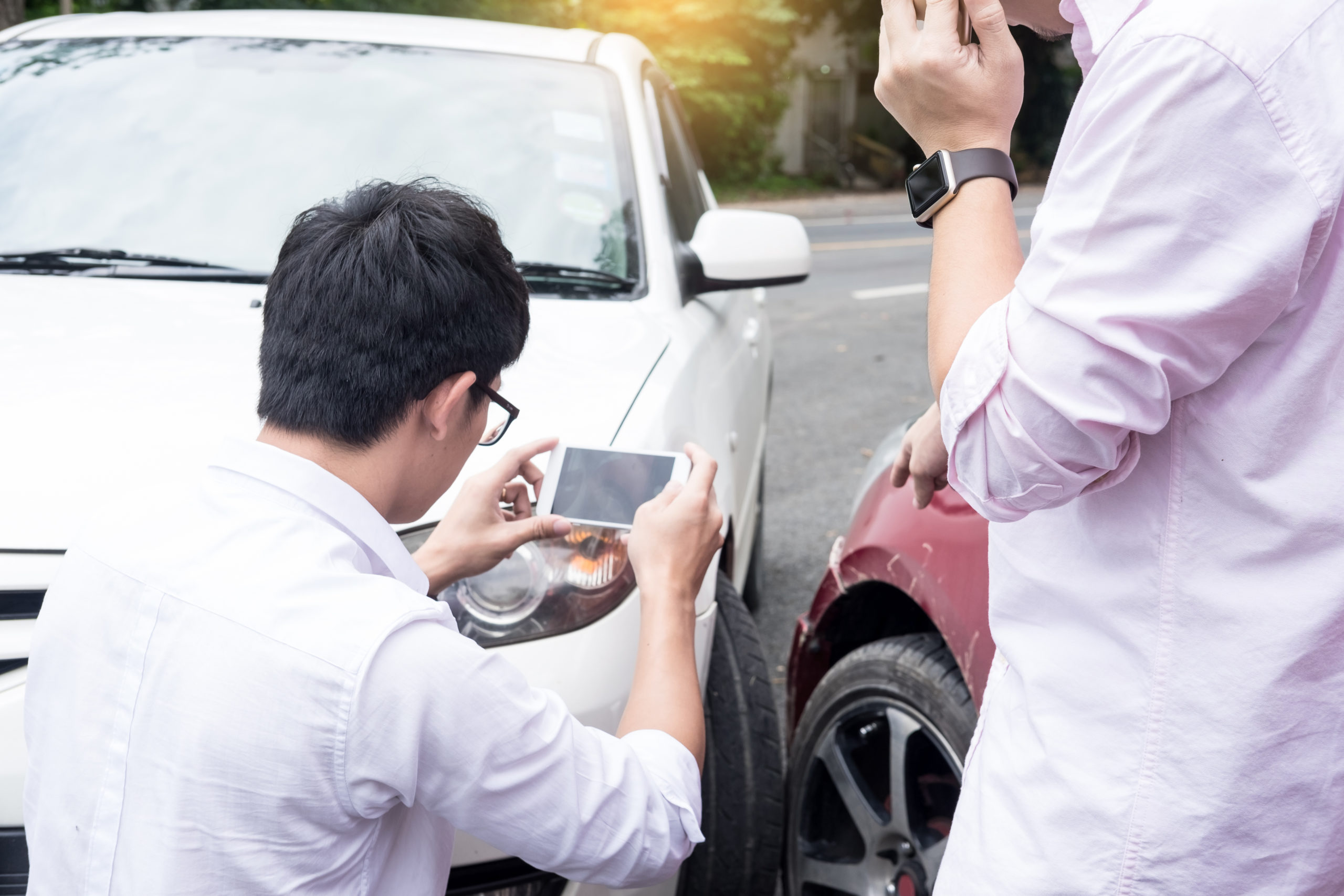
We get calls from clients all the time while they are still at the scene of a crash. One of the most common questions is: “What exactly should I be taking pictures of?”
The short answer is: everything you possibly can. It’s crucial to take wide shots of the accident scene to capture all relevant details, as these photos will be essential for the claims process.
But if there is one thing that matters most, it is this — you need to document where the vehicles came to rest immediately after the crash, before they are moved.
That single step can make a major difference if liability is later disputed. These images can serve as powerful proof for all parties involved in the claims process.
Start With the Cars Before They Are Moved
Right after a crash happens, if it is safe to do so, get out of your vehicle and begin documenting the scene. Before the cars are moved out of traffic, before tow trucks arrive, and before anything changes, take wide angle shots of the entire accident scene to capture all vehicles involved and their positions. This will help ensure you have comprehensive images of how the accident occurred.
This is critical because the final resting position of the vehicles tells a story. It can show angles of impact, direction of travel, and the relative positioning of the cars. Those details often become extremely important when insurance companies start arguing about fault. Wide-angle photos can help establish how the accident occurred and who is at fault by showing the relative positions of the vehicles.
Once vehicles are moved, that evidence is gone. You cannot recreate it later.
Why Resting Position Matters So Much?
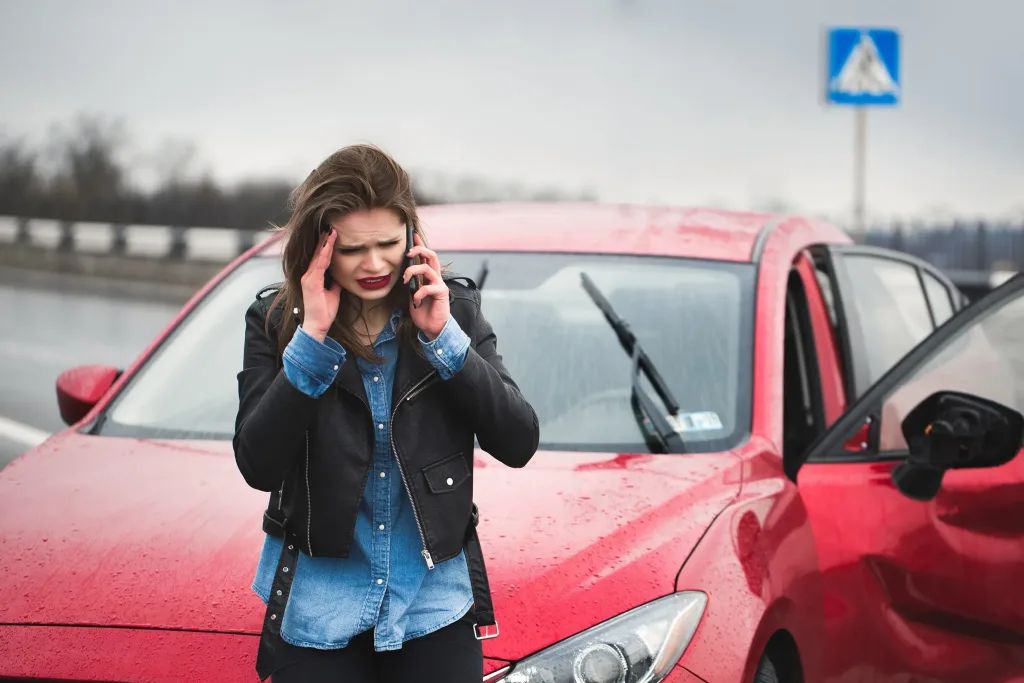
Insurance companies frequently dispute liability. Even in crashes that seem straightforward, the other driver may later change their story. They may claim you ran a red light, merged improperly, or stopped suddenly. Capturing the scene from multiple angles is crucial to help reconstruct what happened and provide the full story of the accident.
When we can see where the vehicles came to rest, it gives us a strong indication of what likely occurred before impact. For example, the angle of the cars may show which vehicle entered an intersection first. The distance between vehicles can help demonstrate speed or braking. The location of debris can show the true point of impact.
Photos of the untouched scene provide objective evidence that supports your version of events. These images serve as key evidence in determining what happened and establishing liability.
Take a Full Walk-Around Video
In addition to photographs, we recommend taking a slow, steady video of the entire scene. Start wide and capture the overall layout. Then slowly walk around the vehicles, documenting everything from multiple angles.
A video often captures context that still photos miss, including traffic signals, lane markings, nearby businesses, and road conditions. It also records spontaneous statements that may be made at the scene.
When possible, narrate the video calmly. State the date, time, and location. Avoid arguing or making accusations on camera. Simply document what is there.
Photograph the Entire Scene
After you capture the resting positions, begin taking detailed photographs of the surrounding area. You should photograph:
- The entire intersection or roadway
- Traffic lights and stop signs
- Lane markings and arrows
- Skid marks or debris
- Weather conditions
- Any obstructions to visibility
- Traffic signs and signals
These details may seem minor in the moment, but they can become very important later. Road design, signal timing, and sight lines often play a role in determining fault.
Get Close-Up Photos of All Vehicle Damage
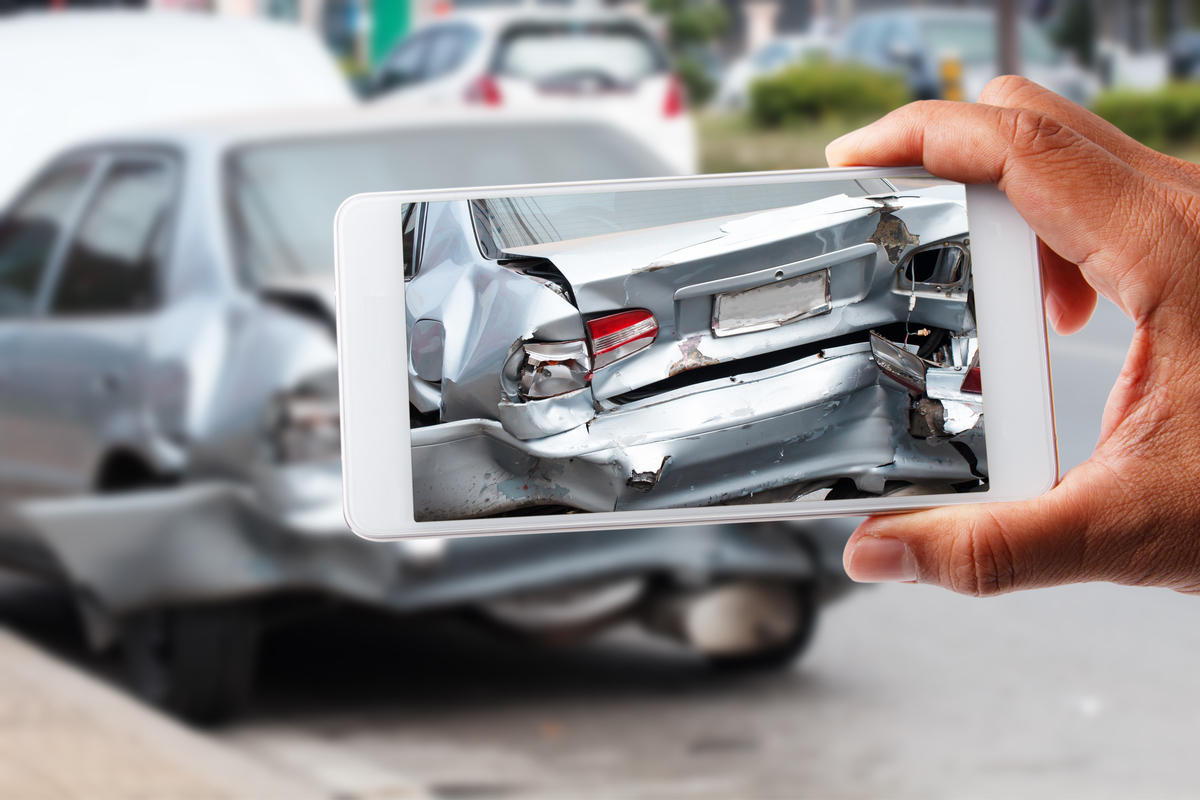
Next, take clear, close-up photos of all visible damage to every vehicle involved. Capture multiple angles. Do not focus only on your own vehicle. Close ups are crucial for documenting property damage, as they provide detailed evidence that supports your insurance or legal claim.
Document:
- The primary impact area
- Scratches, dents, and broken parts (for close-ups, include a standard object for scale to provide context for the size of the damage)
- Airbag deployment
- License plates
Be sure to capture close-up, non-blurry images of dents, scratches, broken glass, or deployed airbags.
The pattern and location of damage often support the mechanics of how the crash occurred. Insurance companies and accident reconstruction experts rely heavily on vehicle damage to analyze collisions.
Document the Interior of the Vehicles
If airbags deployed or items shifted inside the vehicle, photograph that as well. Be sure to document the condition of all passengers and any injured individuals inside the vehicle, including any visible injuries. Take pictures of:
- Deployed airbags
- Cracked windshields
- Broken seats
- Blood or other evidence of injury
- Visible injuries of passengers or anyone injured, as soon as possible after the accident
Interior damage can help demonstrate the severity of the crash and support injury claims.
Take Photos of Your Injuries
If you have visible injuries, document them immediately. These photos can serve as powerful proof and make all the difference in your insurance or legal claim. Bruises, cuts, swelling, and abrasions can fade quickly, so it’s crucial to photograph any visible injuries as soon as possible after the accident. Take clear photos from multiple angles.
In the days following the crash, continue documenting how your injuries evolve. Bruising often becomes more visible 24 to 48 hours later. Ongoing documentation strengthens your claim and prevents the insurance company from minimizing your injuries.
Capture the Other Driver’s Information
Make sure to photograph:
- The other driver’s license
- Their insurance card
- Their license plate
- The make and model of their vehicle
Even though the police will often document this information, having your own record ensures accuracy and avoids later confusion.
Why This Matters When Liability Is Disputed?
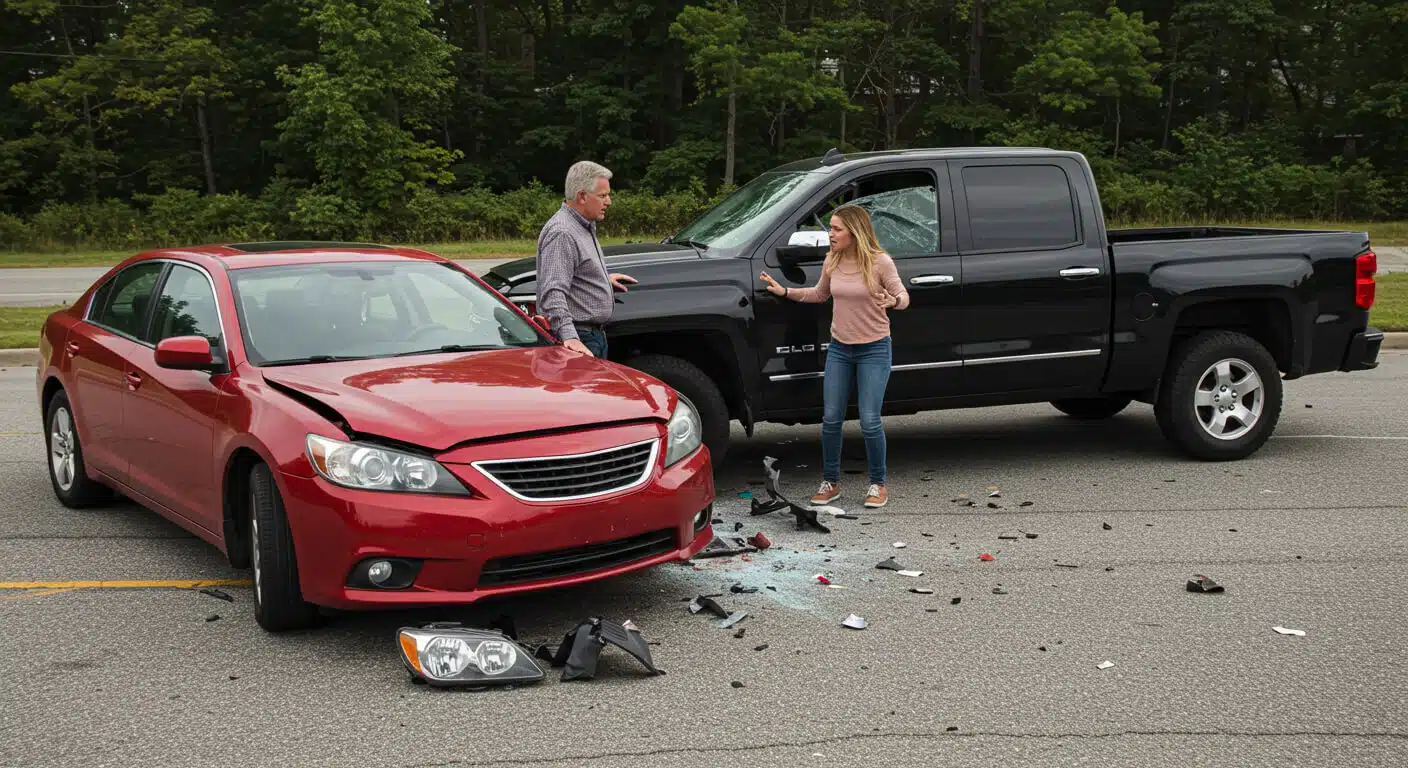
It is very common for liability to become contested once insurance companies get involved. A driver who admitted fault at the scene may later deny responsibility. Without documentation, these cases can turn into credibility battles. Photos taken at the accident scene serve as critical evidence in determining fault and liability in a car accident claim.
Photos and videos provide neutral evidence. They remove much of the guesswork and reduce reliance on memory. They allow us to reconstruct the scene accurately and respond to arguments raised by the insurance company. Capturing detailed images of the accident scene can help support your case when filing an insurance claim or pursuing legal action.
When we can clearly show where the vehicles were positioned and how the damage aligns with your version of events, it significantly strengthens your case. Your attorney can use these photos to build a solid case in your favor during the claims process, and documenting the accident scene can significantly impact the outcome of your claim for compensation.
The Importance of Acting Quickly
Accident scenes change rapidly. Vehicles are moved. Debris is cleared. Traffic resumes. Weather conditions shift. Surveillance footage may be overwritten within days.
The evidence available in the first few minutes after a crash is often the best evidence you will ever have. Taking a few minutes to thoroughly document the scene can protect you for months or even years down the road. If you are unable to take photos yourself, ask a passenger or witnesses to help without altering the scene, and be sure to use both flash and no flash when taking pictures to ensure all details are captured clearly, especially in low light.
Safety Comes First
While documentation is critical, safety must always come first. If the crash occurs on a busy highway or in a dangerous location, move to a safe area if possible. Turn on hazard lights. Follow law enforcement instructions.
Only document the scene when it is safe to do so.
Frequently Asked Question
What areas should you photograph after an accident happened?
After a car accident happened, use your phone to take pictures from different angles of all vehicles, damage, road conditions, and people involved to clearly identify the circumstances for an accident report.
Is it possible to take too many pictures?
There is rarely harm in taking more pictures or more photos, since too many pictures can still be helpful when you later write details or speak with car accident attorneys about what happened.
How can photos help your legal case?
Clear images can support an accident report and assist a car accident lawyer during a free case evaluation, especially when firms that have helped thousands review evidence to identify liability.
The Bottom Line
If you are involved in a crash, take photos. Take videos. Document everything you can.
Most importantly, capture the position of the vehicles immediately after impact, before they are moved. That single step can make a major difference if fault is later disputed.
Photograph the scene, the surrounding roadway, all vehicle damage, the interior of the cars, and your injuries. The more documentation you have, the stronger your case will be.
If you have questions at the scene of a crash or after you leave, give us a call. Our consultations are completely free. We will walk you through the process, explain what to do next, and make sure your rights are protected from the very beginning.