

 View All
Should You Call the Police After a Car Accident? The Answer Is Always Yes


One of the most common questions we hear is: Should I call the police after a crash? Our answer is simple and consistent: yes, always. It does not matter whether the accident appears minor.
It does not matter if the vehicles have minimal damage. It does not matter if the other driver suggests handling it privately. Calling law enforcement is one of the most important steps you can take to protect yourself.
A Crash Report Creates Official Documentation
When police respond to a crash, they generate an official traffic crash report. That report becomes a foundational piece of evidence in any insurance claim or lawsuit. The officer documents what they observed, who was involved, and the surrounding circumstances. This creates neutral, third-party documentation that can prevent disputes later.
A police report typically includes:
- Date, time, and exact location of the crash
- Names of drivers and vehicle information
- Insurance details
- Statements taken at the scene
- Road, traffic, and weather conditions
- Visible damage
- Any citations issued
Insurance companies and judges place significant importance on police reports when determining fault in accident claims. The police report also includes critical information such as witness statements, which can be vital for insurance claims.
Without this documentation, proving what happened can become significantly more difficult.
Minor Accidents Often Turn Into Major Disputes
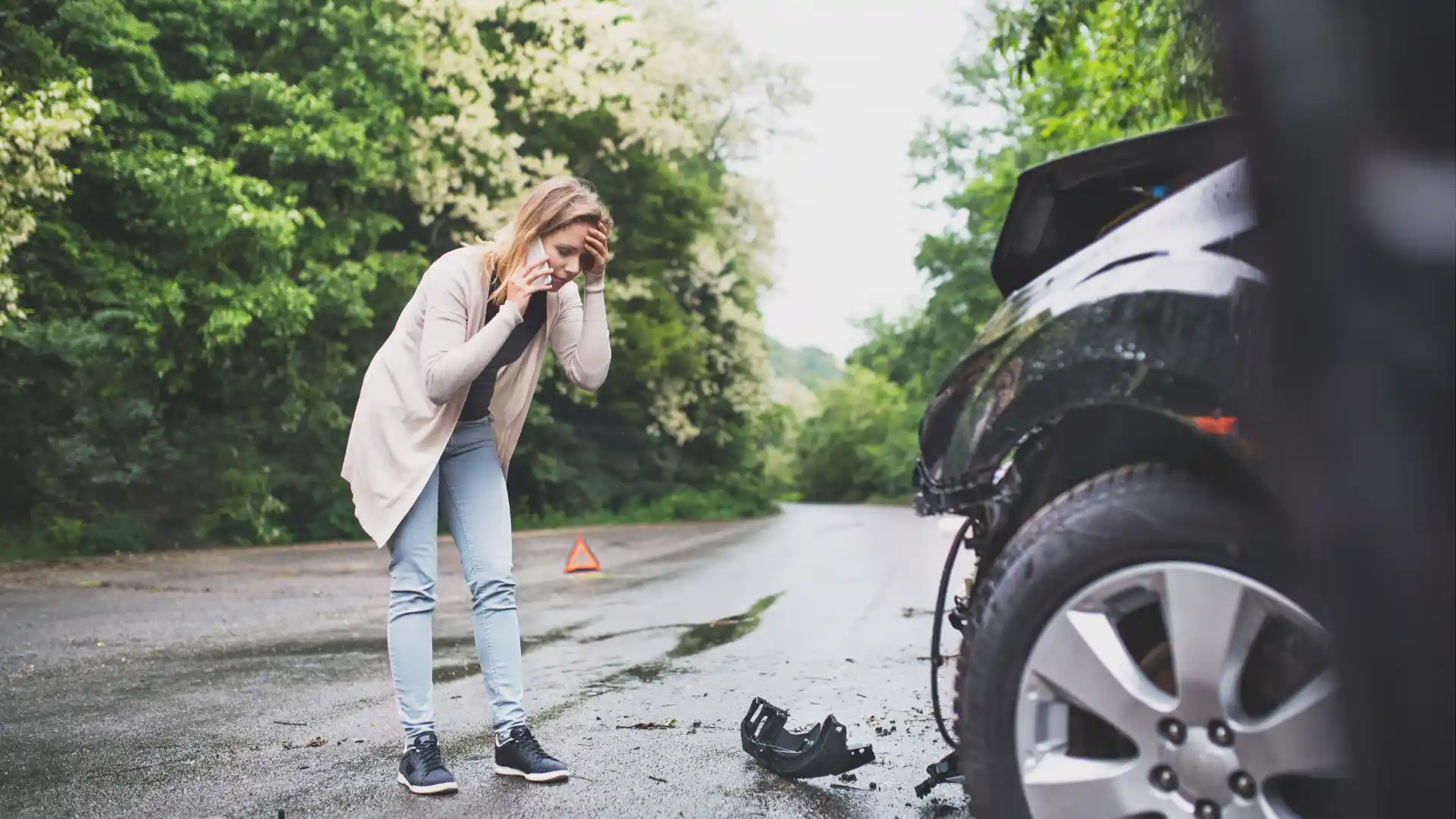
We regularly see situations where drivers decide not to call the police because the crash seems small. They exchange information and move on.
Days later, the other driver changes their story, leading to a dispute about fault or the events of the accident. Suddenly, they deny fault, claim the accident never happened, or provide a completely different version of events to their insurance company.
When there is no crash report, the situation becomes your word against theirs. Failing to report an accident to the police can lead to complications if an injured party later wants to file a claim. A simple call to law enforcement to file a police report would have prevented that problem entirely.
The Crash Report Gives Us a Roadmap
From a legal perspective, a crash report is more than just paperwork. It gives us a starting point for building the case and clarifies each party’s responsibility in the aftermath of the accident. Once we obtain it, we can identify witnesses, confirm what is covered under the relevant insurance policies, evaluate the officer’s diagram, and determine whether any traffic violations were cited.
It also allows us to quickly determine what additional evidence may exist. That roadmap helps us move efficiently and strategically from the beginning of the case. Additionally, every state has specific requirements for reporting accidents to the DMV, which may include the severity of damages and whether anyone was injured.
It Helps Preserve Critical Evidence
Calling the police and promptly notifying authorities often means additional evidence is created and preserved. Depending on the circumstances, there may be the following:
- Body camera footage
- Dash camera recordings
- Traffic or intersection camera video
- 911 call recordings
- CAD dispatch logs
This evidence is not stored forever. In many jurisdictions, it is automatically deleted after a certain period of time. A crash report gives us the reference information we need to request and preserve that material before it disappears.
Insurance Companies Take Reports Seriously
If there is no crash report, your insurer may argue that the accident was too minor to cause injury or question whether it occurred the way you describe. The insurer may also use the lack of a report to dispute the cost of repairs or the amount they are required to pay for damages, especially when considering your policy limits and deductible.
Even low-impact crashes can result in concussions, soft tissue injuries, or back pain that develop hours or days later. Without documentation, insurers may attempt to use that against you. Calling the police is advisable if there are injuries, fatalities, or significant property damage—typically over $500 to $1000 depending on the state.
You Don’t Always Feel Injuries Immediately
Adrenaline can mask pain at the scene of an accident, and some injured people may not feel pain immediately. What feels minor in the moment may turn into significant discomfort later. Headaches, neck pain, and back injuries often develop after you leave the scene.
If anyone is injured, call 911 or ask someone else to do so.
If you seek treatment days later and there is no crash report, the insurance company may argue that your injuries are unrelated.
Protect Yourself From False Allegations
Not calling the police can expose you to unnecessary risk. The other driver may later claim that you admitted fault, that the collision occurred differently, or that you left the scene. An officer’s presence and written report reduce the likelihood of these disputes and clearly identify everyone involved.
What You Should Do at the Scene?
Calling the police is the first step, but it should not be the only one. You should also:
- Take clear photographs of all vehicle damage
- Photograph the surrounding roadway or intersection
- Capture skid marks, debris, and traffic signs
- Record short videos of the scene
- Photograph license plates
- Document visible injuries
The more documentation you gather, the stronger your case will be. There is no such thing as having too much evidence, but there is absolutely such a thing as having too little.
Frequently Asked Question
Is police involvement legally required after a traffic accident?
Police involvement may be legally required after a traffic accident involving motor vehicles, injuries, other property damage, or safety concerns at the scene of the accident, especially if police arrive and document vehicles involved.
How does calling police affect the insurance claim process?
A report from police involvement can support the insurance claim process and claims process with your insurance provider, helping confirm insurance information, driver’s license details, repair costs, coverage, and contact information for other parties and passengers.
When should you seek medical attention after an auto accident?
After an auto accident, check your well being and that of other passengers, turn on hazard lights, wait for medical assistance if needed, and seek medical attention even after a minor fender bender to avoid failure in documenting medical needs and compensation expectations.
The Bottom Line
Whether your crash is minor, moderate, or severe, call the police. An official crash report protects you, preserves evidence, prevents later disputes, and strengthens your insurance claim.
Even if everything seems calm at the scene, circumstances can change quickly once insurance companies become involved. If you have been involved in a car accident in South Florida and have questions about what to do next, our consultations are completely free.
We will walk you through the process, explain your options, and make sure you are fully protected from the start.