
 View All
How Do You Prove a Slip and Fall Claim in Florida?

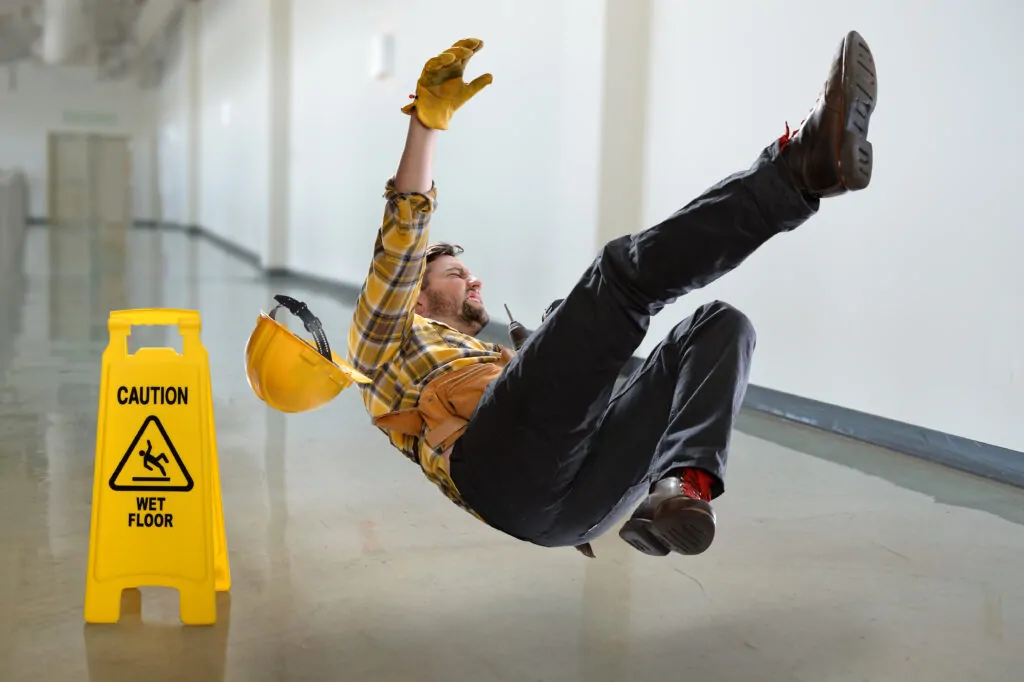
You slipped on a wet floor, fell, and were injured.
Does the fact that you fell prove the business or property owner was negligent?
Not by itself.
A Florida slip and fall claim depends on more than showing that an accident happened. You generally need evidence connecting a dangerous condition to the fall, showing why the defendant was legally responsible for that condition, and establishing that the accident caused actual injuries and losses.
For falls involving spills or other temporary substances in a business, another question can become especially important:
Did the business know,or should it reasonably have known, about the hazard before you fell?
That is often where the evidence makes the difference.
What Is a Florida Slip and Fall Claim?
A slip and fall is a type of premises liability claim involving an unsafe condition on property that allegedly caused someone to fall and suffer an injury.
Examples can include water on a supermarket floor, spilled food in a restaurant, a leaking cooler, a slippery entrance, grease, or another unsafe walking condition.
But not every Florida fall is governed by exactly the same rule.
Florida Statute §768.0755 specifically applies when someone slips on a transitory foreign substance in a business establishment. In those cases, the injured person must prove that the business had actual or constructive knowledge of the dangerous condition and should have taken action to remedy it.
Other premises conditions, such as broken stairs or defective flooring, can involve different legal principles.
What Must You Prove in a Florida Slip and Fall Claim?
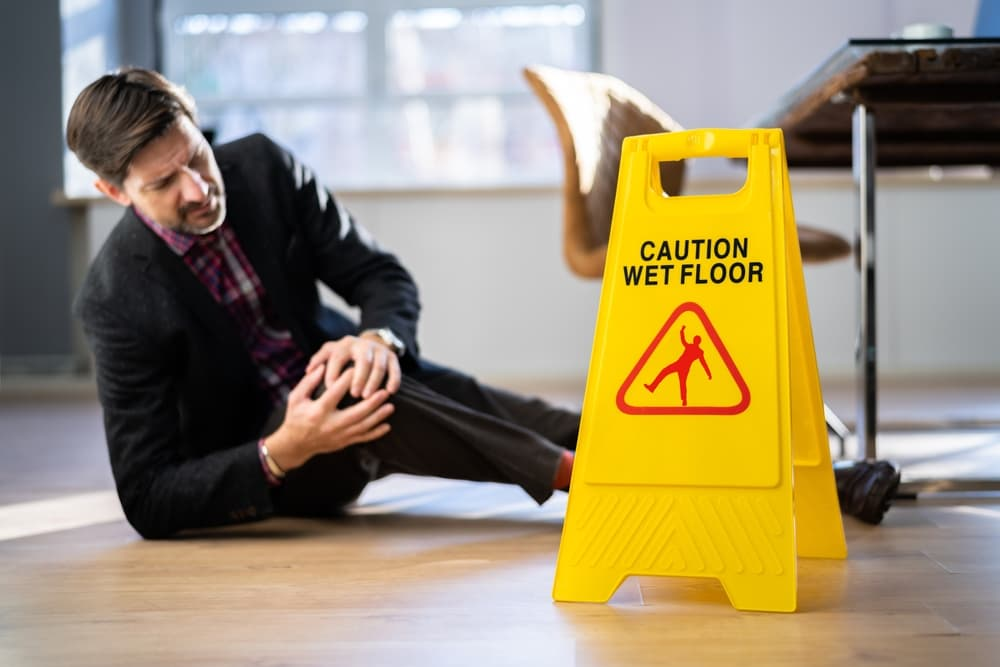
Although the exact legal requirements depend on the type of hazard and property involved, a Florida slip and fall claim generally needs evidence connecting several parts of the case.
Was There a Dangerous Condition?
First, there needs to be an unsafe condition related to the fall.
That might be water, oil, food, debris, or another slippery substance. In other cases, the hazard may involve a more permanent property condition.
Photos, video, witness statements, and incident records can help establish what was present.
Did the Business or Property Owner Owe You a Duty?
Premises liability generally involves duties owed by the person or entity responsible for controlling the property.
The precise duty can depend on the circumstances, but businesses commonly have responsibilities concerning reasonably safe conditions for customers and other lawful visitors.
Did the Business Know or Should It Have Known About the Hazard?
For a transitory foreign substance in a business establishment, this is often the hardest issue.
Florida law requires proof of actual or constructive knowledge.
A dangerous floor alone does not answer that question.
Did the Hazard Cause Your Fall?
The evidence also needs to connect the unsafe condition to the accident.
If a person fell for a completely unrelated reason, the existence of a nearby hazard may not be enough.
Did the Fall Cause an Injury?
Finally, the accident must have caused actual harm.
Medical records, diagnostic testing, treatment records, bills, and lost-income documentation can help establish the injuries and resulting losses.
How Do You Prove a Business Knew About the Dangerous Condition?
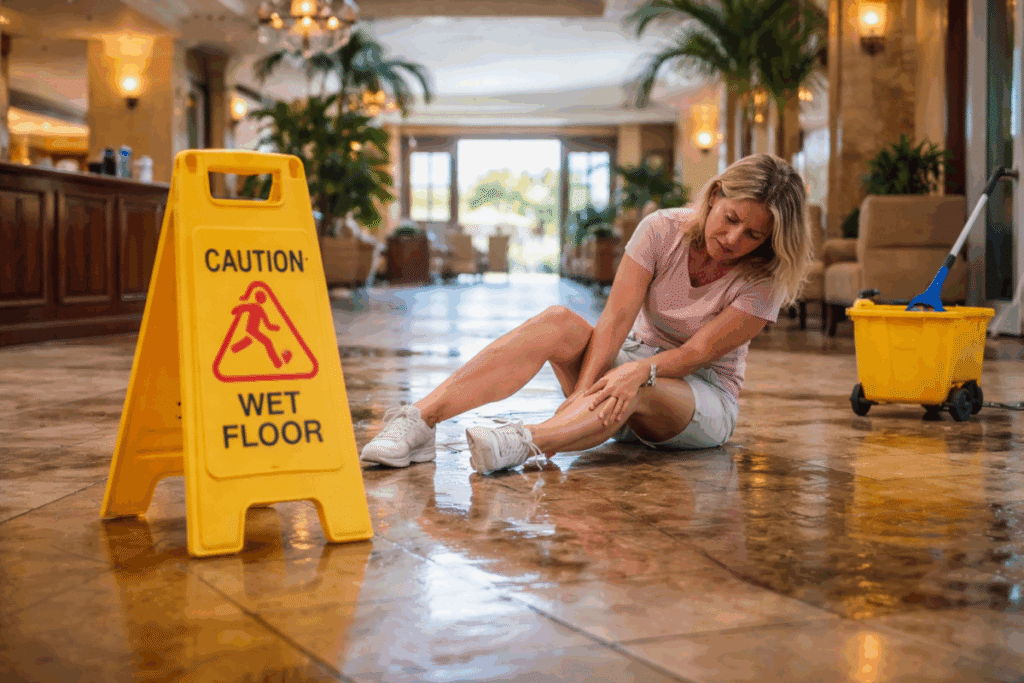
Florida slip and fall law recognizes two important types of knowledge.
What Is Actual Knowledge?
Actual knowledge means the business or one of its employees actually knew about the dangerous condition or created it.
Evidence might show that:
- An employee saw the condition before the fall
- A customer reported it
- A manager had already been notified
- An employee created the hazard
- Business records documented the problem
But employee proximity alone does not automatically prove actual knowledge.
In the 2026 Florida case Kincaid v. Walmart, the Fourth District Court of Appeal held that the evidence did not establish that Walmart employees actually knew about the ruptured gel pack involved in the plaintiff’s accident. The court emphasized that knowledge of a possible risk is different from actual knowledge of the specific dangerous condition.
What Is Constructive Knowledge?
Constructive knowledge addresses what the business should have known, even if nobody admits actually seeing the hazard.
Florida law allows constructive knowledge to be proven with circumstantial evidence showing either:
- The dangerous condition existed long enough that the business should have discovered it through ordinary care, or
- The condition happened regularly enough that it was foreseeable.
That means a claimant does not always need someone who can say, “I saw that puddle sitting there for 20 minutes.”
Other evidence can help tell the story.
What Evidence Can Help Prove Constructive Knowledge?

The strongest evidence often does more than prove there was something on the floor. It helps answer how long it may have been there or whether the problem was recurring.
Photographs of the Hazard
Photos can document the size, location, appearance, and surrounding area before the condition is cleaned.
The details may later matter when determining whether the hazard appeared fresh or showed signs of being present for some time.
Footprints, Tracks, Drying, or Other Disturbance
Footprints through liquid, shopping-cart tracks, scuff marks, drying around the edges, or other disturbances can sometimes support an inference that people had already passed through the condition.
Those details do not automatically prove constructive knowledge, but they may provide useful circumstantial evidence about duration.
Surveillance Footage
Video may show when a spill appeared, how long it remained, whether employees passed the area, or what happened immediately before the fall.
But surveillance does not always answer every question.
A video might capture the fall without showing when the dangerous condition first appeared.
Inspection and Cleaning Records
Inspection logs, sweep records, maintenance records, and employee testimony can help establish when the area was last checked.
A significant inspection gap can become particularly important when combined with evidence about the condition itself.
Witness and Employee Statements
Witnesses may have seen the hazard before the accident or heard someone report it.
Employees may also provide information about inspections, recurring problems, prior complaints, or what happened immediately before the fall.
Evidence of a Recurring Problem
Constructive knowledge can also be based on a condition occurring with enough regularity that it becomes foreseeable.
Evidence of repeated leaks, similar complaints, maintenance requests, or recurring spills in the same area may therefore become relevant, depending on the facts.
What If There Is No Surveillance Video of Your Fall?
A slip and fall claim does not automatically fail because there is no useful surveillance footage.
Other evidence may still help establish what happened, including:
- Photographs
- Witness statements
- Incident reports
- Employee testimony
- Inspection records
- Maintenance records
- Characteristics of the substance or hazard
- Medical records
Even existing videos may not answer every question.
Cohen Injury Law reports a $110,000 hospital slip-and-fall settlement in a case where surveillance captured the fall but did not show how long the unidentified substance had been on the floor. That result does not predict the outcome of another case, but it illustrates why slip-and-fall proof can involve much more than video alone.
How Do You Prove the Fall Caused Your Injuries?
Proving that a business had notice of a hazard is only part of the claim.
You also need evidence connecting the fall to the injuries being claimed.
That may include:
- Emergency or hospital records
- Physician records
- Diagnostic imaging
- Follow-up treatment
- Medical bills
- Wage records
- Documentation of other accident-related losses
Timing can matter here too.
Medical records created close to the accident may help document symptoms and establish what treatment followed the fall.
The goal is to create a clear link between the dangerous condition, the fall, and the resulting injury.
What If You Were Partly Responsible for the Fall?
Florida’s comparative-fault law can also affect a slip and fall claim.
If the injured person is found partly responsible, recoverable economic and noneconomic damages can be reduced according to that percentage of fault. Under current Florida law, a claimant found greater than 50% at fault for their own harm cannot recover damages in a negligence action covered by the statute.
The specific facts determine whether comparative fault applies and how responsibility is divided.
How Can Cohen Injury Law Help Prove a Florida Slip and Fall Claim?
At Cohen Injury Law, we investigate Florida slip-and-fall claims by examining the dangerous condition, surveillance, witnesses, incident reports, maintenance evidence, and medical records.
Our founding attorney, Zach Cohen, began his career representing insurance companies in personal injury cases, giving us insight into how insurers evaluate claims.
We also handle trips and falls, negligent security, car accidents, and other injury matters across South Florida. We offer free consultations from our Fort Lauderdale office. Call 954-246-3999 to discuss your case.
Frequently Asked Questions
Is Falling on Someone Else’s Property Enough to Win a Slip and Fall Claim?
No. The fall establishes that an accident occurred, but liability generally requires evidence connecting a dangerous condition, the defendant’s legal responsibility or notice, and the condition itself to the injuries you suffered.
How Do You Prove Constructive Knowledge in a Florida Slip and Fall Case?
Constructive knowledge may be shown through evidence that the hazard existed long enough to be discovered or occurred regularly enough to be foreseeable. Photos, tracks, surveillance, inspection records, and recurring complaints may help.
What If There Is No Surveillance Video of the Fall?
Video can be useful, but it is not the only evidence available. Photographs, witnesses, incident reports, employee testimony, maintenance or inspection records, physical characteristics of the hazard, and medical documentation may still support a claim.
Can You Recover If You Were Partly at Fault for the Fall?
Potentially. Florida comparative-fault law can reduce damages according to your percentage of responsibility. A claimant found greater than 50% responsible for their own harm generally cannot recover under the applicable negligence rule.
Final Thoughts
Proving a Florida slip and fall claim involves more than proving that you fell.
The evidence needs to connect the dangerous condition, the business or property owner’s legal responsibility for it, the fall itself, and the injuries that followed.
For temporary substances in business establishments, actual or constructive knowledge can become the central issue.
Photos, surveillance, witnesses, inspection records, and physical evidence may help show what the business knew, or reasonably should have known, before the accident.
Because many of those details can disappear or change quickly, preserving evidence early can make an important difference.