

 View All
Florida Truck Accident Claims: Who Can Be Held Liable?

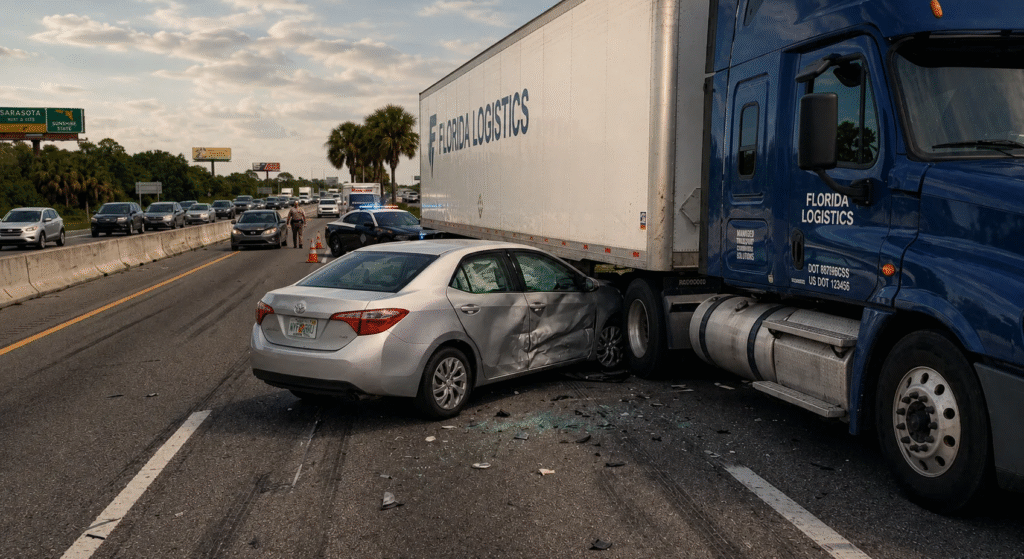
After a serious truck crash, the driver may seem like the obvious person to blame. But commercial trucking often involves several people and companies with different responsibilities.
The key question is: what caused the crash, and who controlled or created that risk?
Depending on the facts, liability may extend to the driver, trucking company, vehicle owner, maintenance provider, cargo-loading company, or manufacturer.
What Makes Liability in a Truck Accident Different?
Commercial trucking can involve separate companies responsible for the driver, vehicle, maintenance, or cargo.
Florida applies commercial-vehicle safety rules that incorporate many federal motor-carrier regulations for covered vehicles, including rules addressing driver qualifications, hours of service, vehicle condition, and cargo securement.
That is why liability often requires looking beyond the police report.
Why Can More Than One Party Be Responsible?
A fatigued driver may make the immediate mistake while carrier scheduling is also relevant. A brake failure may lead investigators to examine inspection and repair responsibility.
More than one person or company can contribute to the same collision, so the investigation should follow each contributing failure.
Who Can Be Held Liable for a Florida Truck Accident?
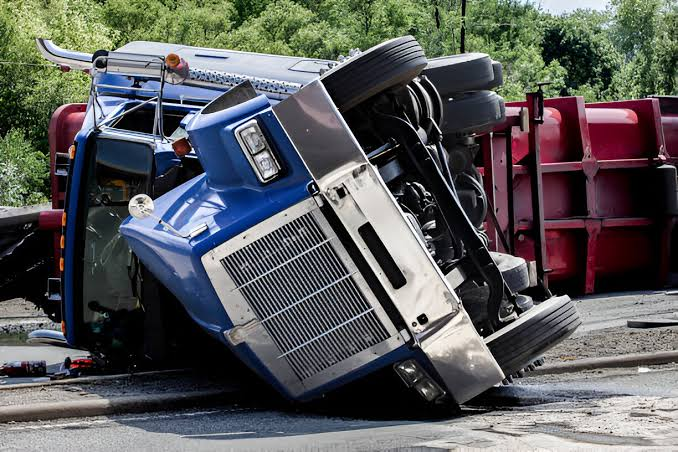
The Truck Driver
A driver may be liable for speeding, distracted driving, following too closely, unsafe lane changes, impairment, fatigue, or ignoring a known vehicle problem.
Driver logs and other records can also help show whether applicable safety rules were followed.
The Trucking Company
A trucking company may sometimes be responsible for an employee driver’s negligence when the driver was acting within the scope of employment.
Florida courts consider factors such as whether the employee was performing the type of work they were hired to do, whether the conduct occurred within authorized work limits, and whether it was intended at least partly to serve the employer.
The company may also face liability for its own conduct, including negligent supervision, unsafe scheduling, qualification failures, or maintenance problems under its control.
Not every commercial driver is legally an employee, so the actual work and control relationship matters.
The Truck Owner or Maintenance Provider
Mechanical problems can point to different parties.
Federal rules require motor carriers to systematically inspect, repair, and maintain vehicles under their control.
If bad brakes, unsafe tires, steering problems, or negligent repair work contributed to the crash, the carrier, owner, or outside maintenance provider may need to be investigated.
The Cargo-Loading Company
Poorly secured cargo can shift, fall, contribute to a rollover, or make a truck harder to control. Federal cargo-securement rules are designed to prevent cargo from shifting or falling during transportation.
If a separate company negligently loaded or secured the cargo and that failure helped cause the crash, it may also be responsible. The key is identifying who controlled the loading and securement work.
The Truck or Parts Manufacturer
A manufacturer may become relevant when an actual product defect contributed to the collision.
A defective brake component, tire, steering part, or coupling system may support a product- liability claim. That is different from a component that failed because it was poorly maintained.
What Evidence Helps Identify the Liable Parties?

Important evidence may include electronic driver logs, qualification records, dispatch messages, maintenance records, truck electronic data, cargo documents, ownership records, leases, and contracts.
Driver logs may help investigate fatigue. Maintenance records may reveal mechanical problems. Cargo records can identify who handled the load, while contracts may show who controlled the driver, vehicle, or shipment.
How Can Cohen Injury Law Help Identify Who Is Liable?
At Cohen Injury Law, we investigate more than the actions of the truck driver. We review carrier relationships, driver records, maintenance history, cargo responsibility, vehicle data, and other evidence that may identify additional responsible parties.
Founding attorney Zach Cohen began his career representing insurance companies in personal injury cases, giving him insight into how insurers evaluate claims. We serve clients across South Florida from Fort Lauderdale and offer free consultations at 954-246-3999.
Frequently Asked Questions
Can the Trucking Company Be Liable for Its Driver’s Accident?
Potentially. Liability can depend on the driver’s work relationship, whether the driver was acting within the scope of employment, and whether the carrier’s own conduct contributed.
Can Both the Truck Driver and Trucking Company Be Liable?
Yes. The driver may be negligent while the company may face separate or related responsibility based on employment, supervision, scheduling, maintenance, or other conduct.
Can a Maintenance Company Be Liable for a Truck Crash?
A maintenance provider may be liable if negligent inspection or repair work contributed to a mechanical failure that helped cause the accident.
What If Improperly Loaded Cargo Caused the Accident?
The party responsible for loading or securing the cargo may be investigated if its conduct contributed to the crash. Responsibility depends on who controlled that work.
Final Thoughts
A Florida truck accident claim should not stop with asking who was driving.
The better question is what caused the crash and which person or company had responsibility for that risk.
Driver, maintenance, cargo, ownership, and company records may reveal that more than one party shares responsibility.