

 View All
Can a Property Owner Be Responsible for a Dog Bite in Florida?

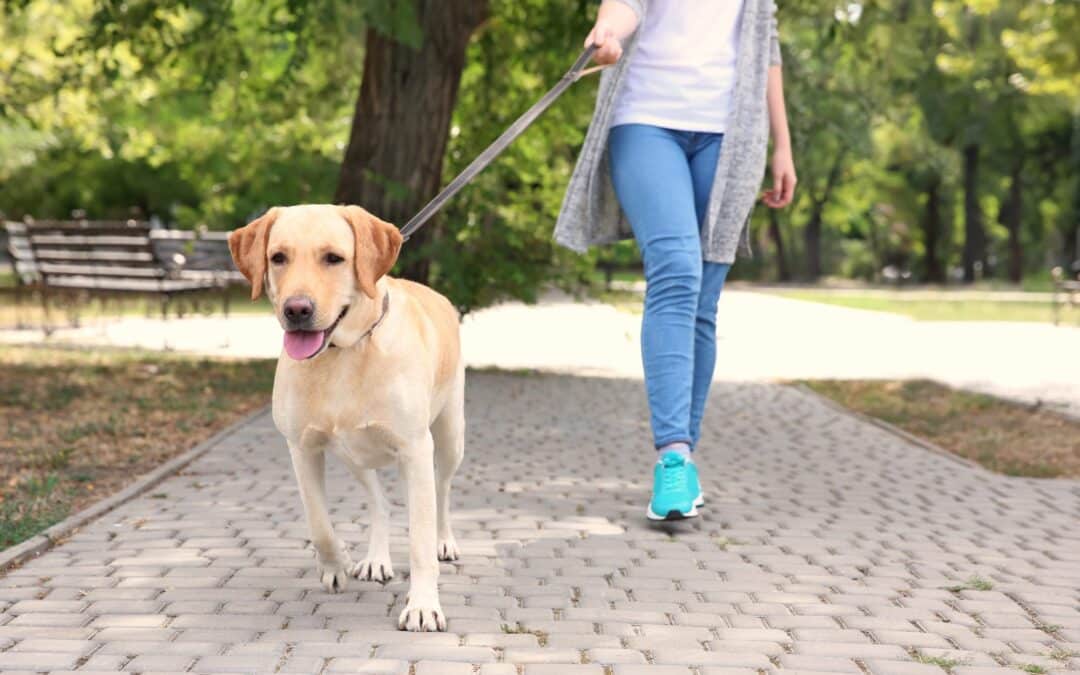
If there is a dog in your neighborhood that lunges at people every time they walk by, growls, or attempts to attack, you may assume that only the dog’s owner would be responsible if someone gets bitten.
In Florida, that is not always the case. Under Florida’s dog bite laws, liability applies regardless of the dog’s former viciousness.
As a personal injury attorney handling dog bite cases throughout Florida, one issue that often surprises people is that a property owner — such as a landlord, homeowners association, or business owner — may also be legally responsible under certain circumstances. Florida’s strict liability dog bite law means a dog owner can be responsible even if the dog had no history of former viciousness.
Understanding when a property owner can be held liable requires looking at three key factors.
Florida Dog Bite Law: Dog Owner’s Liability
Florida has a strict liability dog bite statute, specifically Florida Statutes §767.04. Under this law, a dog owner is automatically responsible if their dog bites someone in a public property or in a private place where the person is lawfully present.
However, under Florida’s dog bite statute, the owner of the dog is liable for injuries suffered by persons bitten regardless of such viciousness or prior knowledge of the dog’s behavior. Owner’s liability and dog owner’s liability are established regardless of the owner’s knowledge or the dog’s former viciousness, but certain defenses can reduce or eliminate liability.
Florida law allows dog owners to avoid liability in certain situations. A dog owner may avoid liability if they have posted a clearly visible sign that reads ‘Bad Dog,’ except when the victim is under the age of 6. Additionally, if the victim provoked the dog or was trespassing on private property at the time of the bite, the owner’s liability may be reduced or eliminated.
That is where premises liability principles come into play.
When Can a Property Owner Be Responsible on Private Property?
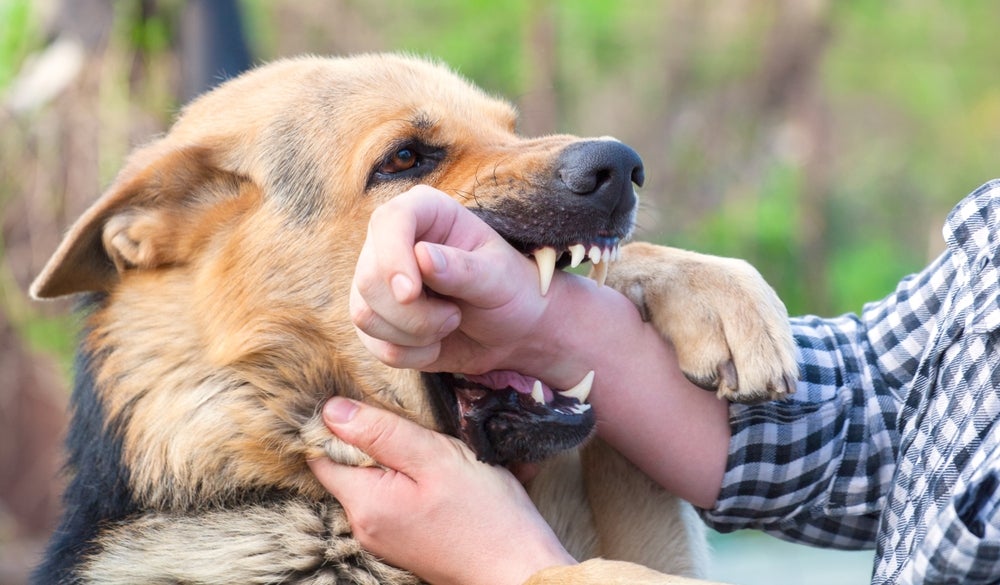
To hold a property owner responsible for a dog bite in Florida, certain elements typically must be established.
1. Knowledge That the Dog Was on the Property
First, the property owner must have known or reasonably should have known that the dog was present on the property. If a landlord had no awareness that a tenant even had a dog, liability may be more difficult to establish.
However, if the dog was openly kept on the premises, frequently seen by management, or the subject of complaints, knowledge becomes easier to prove.
2. Knowledge That the Dog Was Dangerous
Second, it must be shown that the property owner knew or should have known that the dog had dangerous tendencies.
Examples of warning signs include:
- Prior complaints about the dog lunging or growling
- Reports of aggressive behavior
- Prior bite incidents
- The dog regularly breaking loose or chasing people
If the property owner receives repeated complaints and ignores them, that knowledge can become a critical factor in a negligence claim.
3. Ability to Control or Remove the Dog
Third, the property owner must have had some ability to control the situation.
For example, a landlord may have authority under a lease agreement to enforce pet restrictions, require removal of a dangerous animal, or terminate a lease for violations. A homeowners association may have the authority to enforce community rules. A commercial property owner may be able to prohibit animals altogether.
If the property owner had the power to address the danger and failed to act, that failure can create liability.
Real-World Example: A Reactive Dog in a Community
Imagine a dog attack in a gated community where the owner’s dog repeatedly lunges at neighbors walking by. Residents complain to the homeowners association, reporting that the owner’s dog is aggressive and appears capable of attacking someone.
If the association documents the complaints but takes no action — and later someone is bitten on the property — the association may face potential liability for failing to address a known hazard. Such injury can result in long term disability and non economic damages, including pain and suffering, emotional trauma, and psychological distress. Victims can also seek compensation for future medical treatment required due to the dog bite.
Similarly, if a landlord receives multiple complaints about a tenant’s aggressive dog and does nothing despite having the authority to enforce lease terms, that inaction can become legally significant.
The law does not require property owners to predict every possible injury. But when a danger is known and preventable, ignoring it can create responsibility. Dog bite victims in Florida can file claims under the strict liability statute without needing to prove the owner’s negligence, and Florida’s strict liability law simplifies the process for pursuing compensation. The statute of limitations for strict liability claims in Florida is generally 4 years, while negligence claims often have a 2-year deadline.
If you are involved in a dog bite incident, you should:
- Seek medical attention immediately.
- Report the incident to local authorities.
- Document the incident by taking photos of your injuries and the location of the bite, and gather witness information to support your claim.
What Should You Do If There Is a Dangerous Dog in Your Community?

After a dog bite, prioritize your health and legal protection.
If you encounter a dog in your neighborhood or residential community that repeatedly lunges, barks aggressively, or attempts to attack people, documentation is important.
You should consider:
- Seeking medical attention immediately after a dog bite to prevent infection
- Reporting the dog bite to local animal control or law enforcement
- Reporting the behavior in writing to property management or the HOA
- Documenting dates and details of incidents
- Gathering witness information if others have experienced similar behavior
- Contacting animal control if appropriate
Do not accept blame or downplay the incident before exploring your legal options. Creating a written record helps establish notice. If management is informed of a dangerous situation and fails to act, that documentation can become critical later.
No one wants to escalate a neighborhood issue unnecessarily. However, ignoring clear warning signs can lead to serious injury.
What Happens If Someone Is Bitten?
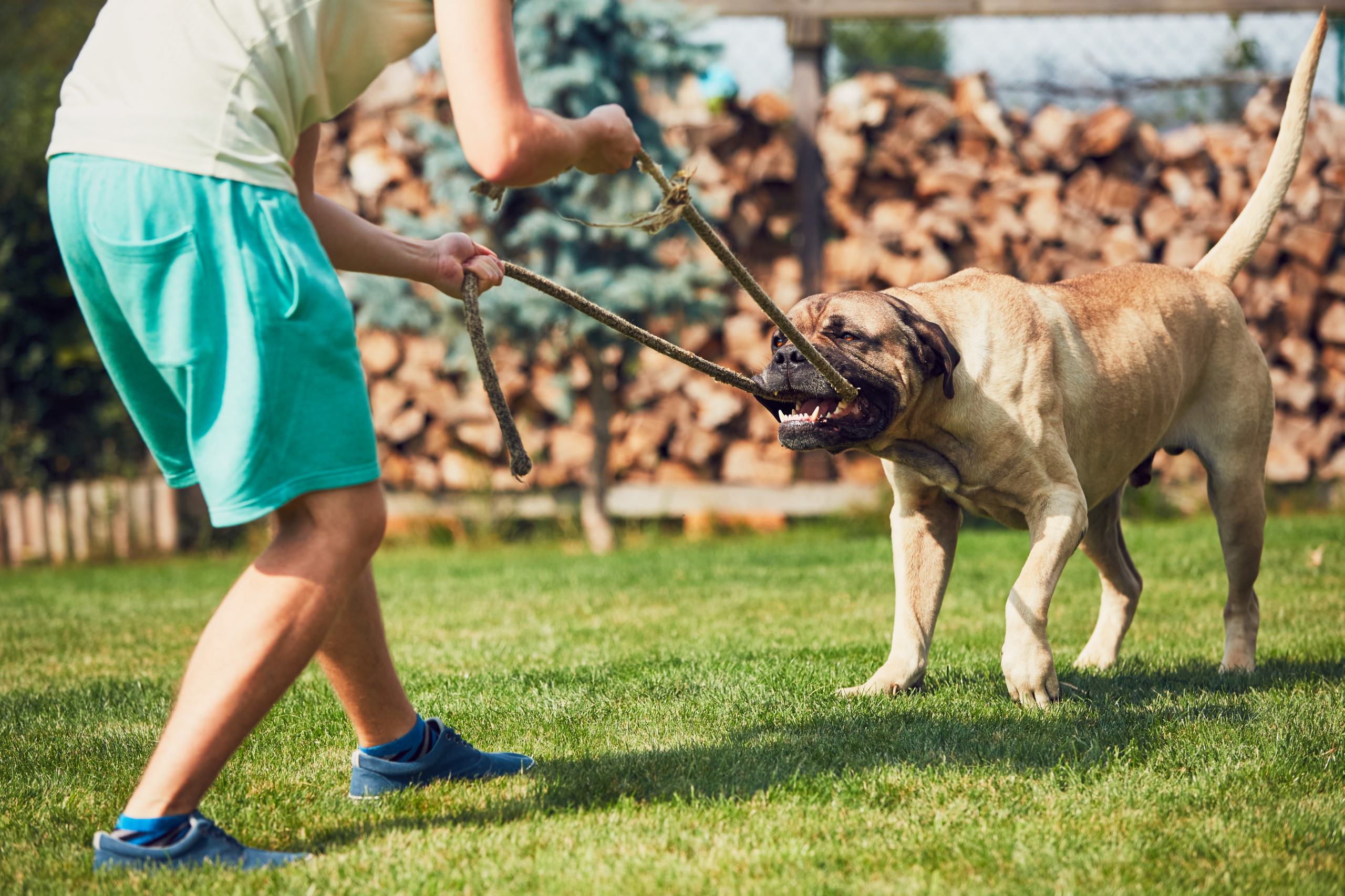
If a dog bite occurs on residential or commercial property in Florida, an investigation will typically focus on:
- Who owned the dog
- Who controlled the property
- Whether prior complaints were made
- What authority the property owner had to act
- Whether reasonable steps were taken to prevent harm
Florida dog bite cases can involve both strict liability and negligence theories, depending on the facts. In some situations, both the dog owner and the property owner may share responsibility.
Each case is fact-specific, and liability depends heavily on knowledge and control.
Frequently Asked Question
Can a property owner be liable for damages suffered after a dog bite in Florida?
Yes, under Florida law a such person who owns or controls property of the owner may be liable for damages suffered by persons if an actual bite occurred on or her premises, regardless of the former knowledge of such viciousness or the viciousness of the dog.
Does a sign easily readable prevent dog bite claims?
A premises a sign easily or sign easily readable including the words or readable including the words warning of dog may affect determining liability, but leash laws, other law, and public safety rules still apply to dog or the owners and pet owners.
What can a bitten person recover through a personal injury claim?
A bitten person may file dog bite claims or a personal injury claim to recover compensation for medical expenses, medical bills, physical pain, emotional fallout, and other damages suffered, and comparative negligence may reduce recovery if the person is partially responsible; seek a free consultation to protect legal rights.
Final Thoughts
If there is a dog in your community that is reactive, aggressive, or repeatedly lunges at people, do not ignore it. Inform property management or the homeowners association so the issue can be documented and addressed.
If management has notice of a dangerous animal and fails to take reasonable steps to prevent foreseeable harm, they may be held responsible if someone is injured.
If you or a loved one has been bitten by a dog in Florida and have questions about whether a property owner may also be liable, you can call or text 954-246-3999 or visit www.cohenlawflorida.com. If your case is outside of Florida, we can help connect you with an attorney in your area.
Dog bite cases often involve more than just the dog owner. When a known danger is ignored, responsibility may extend further than people expect.