

 View All
Explosion Injury Claims in Florida: Liability, Evidence, and Compensation

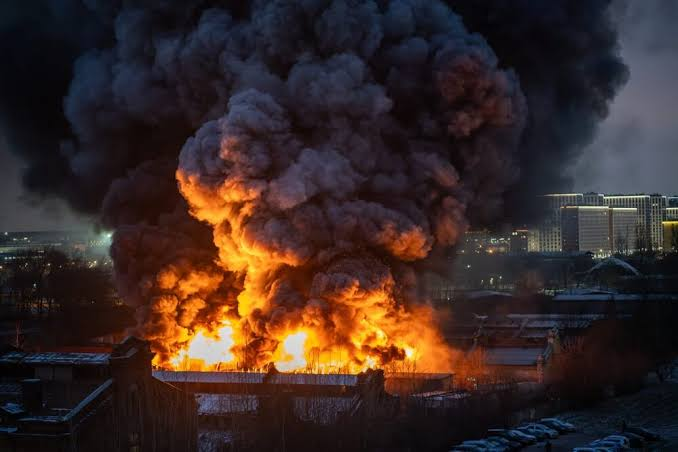
An explosion can leave several questions behind at once.
Was there a gas leak? Did a product fail? Was equipment installed incorrectly? Did a property owner ignore a dangerous condition? Or did several failures combine to cause the blast?
Those questions matter because an explosion does not automatically tell you who is legally responsible.
A Florida explosion injury claim often begins by determining where the blast started and why it happened. From there, the investigation can identify which property owner, manufacturer, contractor, gas supplier, maintenance company, or other party may have contributed to the event.
That same investigation also helps preserve the evidence needed to prove the resulting injuries and financial losses.
What Is an Explosion Injury Claim in Florida?
An “explosion injury claim” is not one specific type of lawsuit.
The legal theory depends on what caused the explosion and who was responsible for that source of danger.
A case may involve:
- Negligence
- Premises liability
- Products liability
- Negligent installation or repair
- Motor vehicle negligence
- Workers’ compensation
- A separate workplace third-party claim
- Wrongful death
For example, a defective tank may raise product-liability questions, while a gas leak caused by poor maintenance may point toward negligence.
The central issue is not simply that an explosion occurred. The evidence must connect a person, company, product, or dangerous condition to the blast and the injuries that followed.
Why Is Determining the Cause of an Explosion So Important?
Explosion cases often have several possible explanations.
A blast could result from:
- A propane or natural gas leak
- A defective valve or regulator
- Faulty wiring
- A battery malfunction
- Improperly installed equipment
- A fuel-system failure
- A pressurized component breaking apart
- Negligent servicing or repair
The cause can completely change who may be responsible.
If a propane tank was improperly filled, the investigation may focus on the company that serviced it.
If the tank itself failed because of a manufacturing defect, a product claim may be more important.
If a contractor damages a gas line during installation, the contractor’s work may become central.
That is why explosion cases should generally begin with origin and cause, not with an assumption about who should be sued.
Who May Be Liable for an Explosion Injury in Florida?
Depending on how the blast occurred, several parties may need to be investigated.
Property Owners or Operators
A property owner, manager, tenant, or business operator may potentially be responsible when an explosion involves a dangerous condition under its control.
Examples might include unsafe gas systems, electrical hazards, poorly maintained appliances, or improper storage of combustible materials.
But ownership alone does not establish liability.
The analysis may involve who controlled the dangerous condition, what duty that party had, whether reasonable maintenance or inspection was performed, and whether any failure actually caused the explosion.
Gas or Propane Companies
A gas or propane company may become relevant when the case involves delivery, filling, leak response, testing, servicing, or maintenance.
The fact that gas fueled an explosion does not automatically make the supplier responsible.
The evidence must show how the company’s conduct relates to the actual cause of the blast.
Product Manufacturers or Equipment Companies
Explosion cases can also involve tanks, batteries, valves, regulators, appliances, industrial machines, vehicle components, and other products.
Florida law recognizes product-liability actions based on theories including strict liability, negligence, breach of warranty, and similar claims involving product design, manufacture, construction, installation, or assembly. (flsenate.gov)
A product exploding does not automatically prove that it was defective. The evidence still needs to support an actionable defect or other product-liability theory.
Contractors, Installers, and Repair Companies
Contractors may also be involved when the explosion follows electrical work, gas-line installation, equipment repair, HVAC work, or industrial maintenance.
The important question is whether their work created, worsened, or failed to correct the condition that caused the blast.
What If the Explosion Involved Propane or an LP-Gas System?
Florida has specific rules governing liquefied petroleum gas.
Under Florida Statute §527.065, an LP-gas licensee must immediately notify the state of certain LP-gas accidents involving death, injuries requiring professional medical treatment, uncontrolled ignition causing qualifying harm, or specified property damage. The statute also requires a supplier to physically respond to a verifiable leak call within a reasonable time not exceeding 24 hours.
Those rules can create useful sources of evidence, including:
- Leak-call records
- Gas-delivery records
- Service history
- Emergency-response records
- State accident notifications
Florida §527.062 also authorizes the Department of Agriculture and Consumer Services to investigate accidents when there is reason to believe LP gas or related equipment was involved. The department may collect evidence and prepare a written report for investigations it conducts.
Those records do not automatically prove negligence, but they may help reconstruct what happened.
What If the Explosion Happened at Work?

A worker injured in an industrial, construction, electrical, gas, or equipment explosion may first have a Florida workers’ compensation claim.
Workers’ compensation generally provides the primary remedy against a covered employer for a covered workplace injury, subject to statutory exceptions.
But the employer may not be the only party involved.
If a legally responsible third party contributed to the explosion, the worker may also have a separate personal injury claim.
Possible third parties could include an equipment manufacturer, outside maintenance company, gas supplier, property owner, or another business.
Florida §440.39 expressly allows a qualifying worker to receive workers’ compensation benefits while also pursuing a responsible third-party tortfeasor.
Can More Than One Party Be Responsible for the Explosion?
Yes.
An explosion may result from several failures.
For example:
A manufacturer may produce a faulty component. A contractor may install it incorrectly. A maintenance company may miss warning signs. A property operator may ignore repeated complaints.
Florida’s comparative-fault statute allows fault to be allocated among responsible parties in covered negligence and product-related actions. A claimant’s own fault can also reduce recovery, and someone found more than 50% at fault for their own harm generally cannot recover under the statute, subject to its exceptions.
So identifying every party connected to the failure can be important.
What Evidence Is Important After an Explosion?
Explosion evidence can disappear quickly because debris may be removed, damaged equipment may be replaced, and the property may need emergency repairs.
That makes preservation especially important.
Evidence Showing How the Explosion Started
Useful materials may include:
- Fire department reports
- Fire Marshal records
- Photos and video
- Surveillance footage
- Blast and burn patterns
- Wiring
- Gas-system components
- Fuel sources
- Debris
Product and Equipment Evidence
If a tank, regulator, appliance, battery, valve, machine, or vehicle component may have been involved, preserving the actual item can be important.
Model numbers, serial numbers, manuals, warning labels, packaging, and repair history may also help establish what product was involved and how it had been used or serviced.
When possible, equipment believed to have caused the blast should not be discarded or materially altered before it can be properly documented and evaluated, while still following emergency and government safety requirements.
Maintenance and Service Records
Important records may include:
- Work orders
- Inspection logs
- Leak complaints
- Installation records
- Gas-delivery records
- Repair history
- Contractor invoices
- Permits
- Safety records
These documents can help show which company controlled or serviced the system before the explosion.
Witness and Injury Evidence
Witnesses may remember smelling gas, hearing unusual equipment noises, seeing earlier problems, or reporting safety concerns.
Medical records, wage records, photographs of injuries, rehabilitation records, and future-care documentation can then help establish the impact of the blast.
Why Are Technical Experts Often Important in Explosion Cases?
Some explosion questions cannot be answered reliably from photographs alone.
The investigation may involve:
- Fire origin and cause
- Gas behavior
- Electrical ignition
- Mechanical failure
- Metallurgy
- Product design
- Industrial safety
For example, investigators may need to determine whether gas accumulated before ignition, whether a valve failed, whether a tank was improperly filled, or whether electrical equipment provided the ignition source.
Several explanations may initially sound possible.
Technical analysis can help determine which explanation is supported by the physical evidence.
That distinction matters because a plausible theory is not necessarily a provable cause.
What Compensation May Be Available After a Florida Explosion?
A serious explosion may cause far more than burns.
Victims can suffer fractures, hearing damage, brain injuries, eye injuries, inhalation injuries, crush injuries, scarring, amputations, or permanent disability.
Depending on the legal claim and evidence, compensation may potentially include:
- Emergency medical treatment
- Hospital expenses
- Surgeries
- Rehabilitation
- Future medical care
- Lost wages
- Reduced earning capacity
- Disability
- Pain and suffering
- Scarring or disfigurement
- Other qualifying economic and noneconomic losses
Florida law recognizes both economic and noneconomic damages in covered negligence actions.
If an explosion is fatal, qualifying survivors and the estate may also have rights under Florida’s Wrongful Death Act, including certain claims for support, services, medical or funeral expenses, and other statutory damages depending on the circumstances.
How Can Cohen Injury Law Help After a Serious Explosion?
At Cohen Injury Law, we can investigate how an explosion occurred, which people or companies may be responsible, and what insurance coverage may apply.
That may involve reviewing fire reports, gas or equipment records, maintenance history, contractors, product evidence, workplace benefits, and medical losses. Our founding attorney, Zach Cohen, began his career representing insurance companies in personal injury cases, giving him insight into how insurers evaluate and defend claims.
We represent injury victims across South Florida from our Fort Lauderdale office and offer free consultations. Call 954-246-3999.
Frequently Asked Questions
Who Can Be Held Responsible for a Florida Explosion?
Potential defendants may include property owners, gas suppliers, manufacturers, contractors, maintenance companies, or others. Liability depends on the actual cause of the explosion and each party’s legal responsibility for that condition.
What Evidence Should Be Preserved After a Gas or Propane Explosion?
Important evidence may include damaged equipment, photographs, video, leak-call and service records, delivery records, fire-investigation materials, witness information, maintenance history, and medical documentation showing the resulting injuries.
Can I File a Lawsuit If the Explosion Happened at Work?
Potentially. Workers’ compensation may apply first, while a separate third-party claim may exist if another legally responsible person or company outside the protected employment relationship contributed to the explosion.
What Compensation May Be Available After a Serious Explosion?
Depending on the claim, compensation may include medical expenses, future treatment, lost income, reduced earning capacity, pain and suffering, disability, scarring, and qualifying wrongful-death damages when an explosion is fatal.
Final Thoughts
A Florida explosion injury claim should not begin by assuming who caused the accident.
The stronger starting point is:
What caused the blast?
Who controlled, supplied, manufactured, installed, repaired, or maintained that source of danger?
What physical and documentary evidence supports that conclusion?
What injuries and financial losses resulted?
Once those questions are answered, the investigation can connect the technical cause of the explosion to the person or company that may be legally responsible.