

 View All
EDR Data in a Florida Car Accident Case: Why Your Vehicle’s “Black Box” Can Make or Break the Case

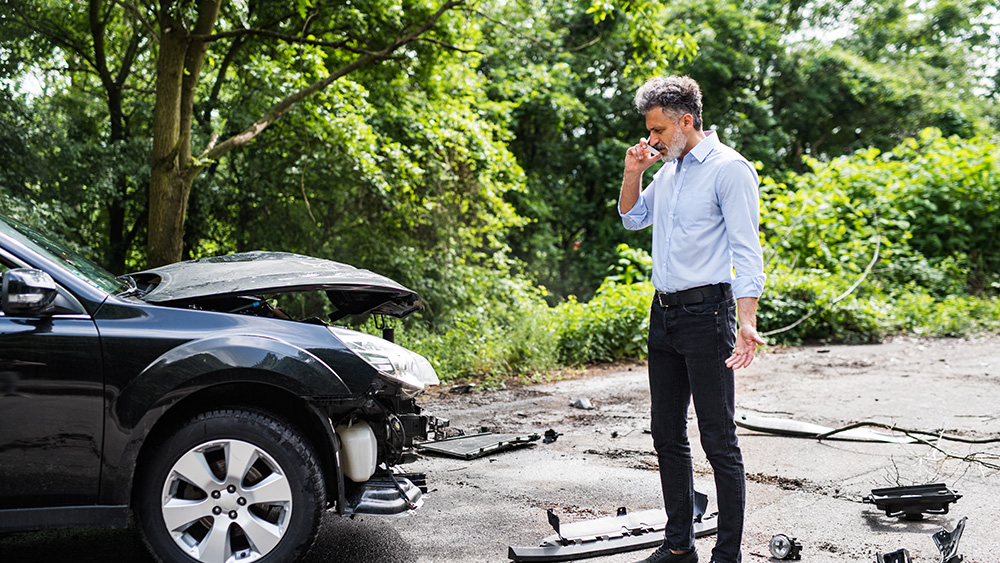
In a serious car accident case, evidence matters. Photographs, crash reports, 911 recordings, body camera footage, traffic camera video, and nearby business surveillance can all play important roles. But one of the most powerful — and often overlooked — pieces of evidence is EDR data.
EDR stands for Event Data Recorder, sometimes referred to as a vehicle’s “black box.” In many Florida car accident cases, this data can significantly impact liability and injury claims.
If you have been involved in a serious crash, understanding EDR data and how it works may be critical to the outcome of your case.
What Is EDR or Event Data Recorder Data?
Most modern motor vehicles are equipped with an Event Data Recorder (EDR), also known as EDR data or the vehicle’s black box. This system records specific technical data in the moments leading up to, during, and after a crash. It is similar in concept to an airplane’s black box, known as the cockpit voice recorder, which records flight data and cockpit audio for accident investigations. While planes use cockpit voice recorders, motor vehicles use EDRs to record crash data.
Depending on the vehicle manufacturer and model, EDR data may capture:
- Vehicle speed
- Brake application
- Throttle position
- Steering input
- Seatbelt usage
- Airbag deployment timing
- Delta-V (change in velocity during impact)
- Engine RPM
- Crash pulse duration
The information stored in a black box can include telemetry data from approximately 20 seconds before, during, and after a collision, such as vehicle speed, braking patterns, and seatbelt usage. EDRs are part of a vehicle’s safety features, designed to help analyze accidents and improve safety standards. The National Highway Traffic Safety Administration (NHTSA) requires all new cars to have event data recorders installed since September 1, 2014.
This information is typically recorded in the seconds before impact and immediately after. In a disputed Florida car accident case, those seconds can be everything.
Why EDR Data Matters in a Florida Car Accident Case?

Insurance companies often rely on witness statements and physical damage to argue liability. However, witness accounts can conflict, and property damage alone does not always tell the full story.
EDR data provides objective, electronic evidence.
For example, in a case involving alleged speeding, the black box data may show the defendant’s exact speed seconds before impact. In a sideswipe collision, the data may show steering input consistent with the other driver turning into your lane. In a rear-end crash, it may confirm that you applied your brakes before impact.
This type of evidence can:
- Prove fault
- Refute false accusations
- Support comparative negligence defenses
- Strengthen settlement negotiations
In serious crashes, it can dramatically shift leverage.
Using EDR and Black Box Data to Prove Speed and Impact Severity
One common defense raised by insurance companies is that the property damage was “minimal,” therefore the injuries must be minor as well.
EDR data can directly counter that argument.
The system often records Delta-V, which measures the change in velocity during impact. Even if visible damage appears modest, the recorded change in velocity may demonstrate a significant force transfer.
In cases involving spinal injuries, concussions, or soft tissue damage, this data can support causation by showing:
- The speed at impact
- The force of deceleration
- Whether braking occurred
- Whether there was a sudden acceleration or lateral movement
Instead of relying on visual estimates of damage, you can present measurable crash dynamics.
EDR Data in Liability Disputes
EDR data is especially important in contested liability cases.
In a lane-change or sideswipe crash, the black box may reveal steering input from one vehicle consistent with merging into another lane. In intersection crashes, speed data can help determine whether a driver attempted to stop.
In rear-end collisions, braking data can show whether the front vehicle slowed abruptly or whether the following driver failed to brake in time.
Because the data is electronic and timestamped, it carries significant weight when properly downloaded and interpreted.
How EDR Data Is Retrieved?

Retrieving EDR data is not automatic. It typically requires specialized equipment and, in some cases, a court order or agreement between parties.
The process may involve:
- Preserving the vehicle before repairs or disposal
- Hiring a qualified accident reconstruction expert
- Downloading the data using manufacturer-specific tools
- Interpreting the data within the context of the crash
Timing is critical. If a vehicle is totaled and salvaged without preservation efforts, important electronic data can be lost.
That is why early investigation in serious Florida car accident cases is essential.
When Is EDR Data Most Important?
While not every minor crash requires a black box download, EDR data is particularly important in cases involving:
- Disputed liability
- Allegations of speeding
- Severe injuries
- Fatal accidents
- Claims involving significant insurance coverage
- Commercial vehicle crashes
In high-value cases, insurance companies often conduct their own downloads. Having your own independent data analysis ensures you are not relying solely on the opposing party’s interpretation.
Can EDR Data Be Used Against You?
Yes. EDR data can cut both ways.
If you were speeding, not wearing a seatbelt, or failed to brake, that information may also appear in the data. That is why it is important to work with an attorney who understands how to properly analyze and contextualize the information.
Sometimes data that initially appears harmful can be explained within the larger dynamics of the crash.
The Role of EDR Data in Settlement Negotiations
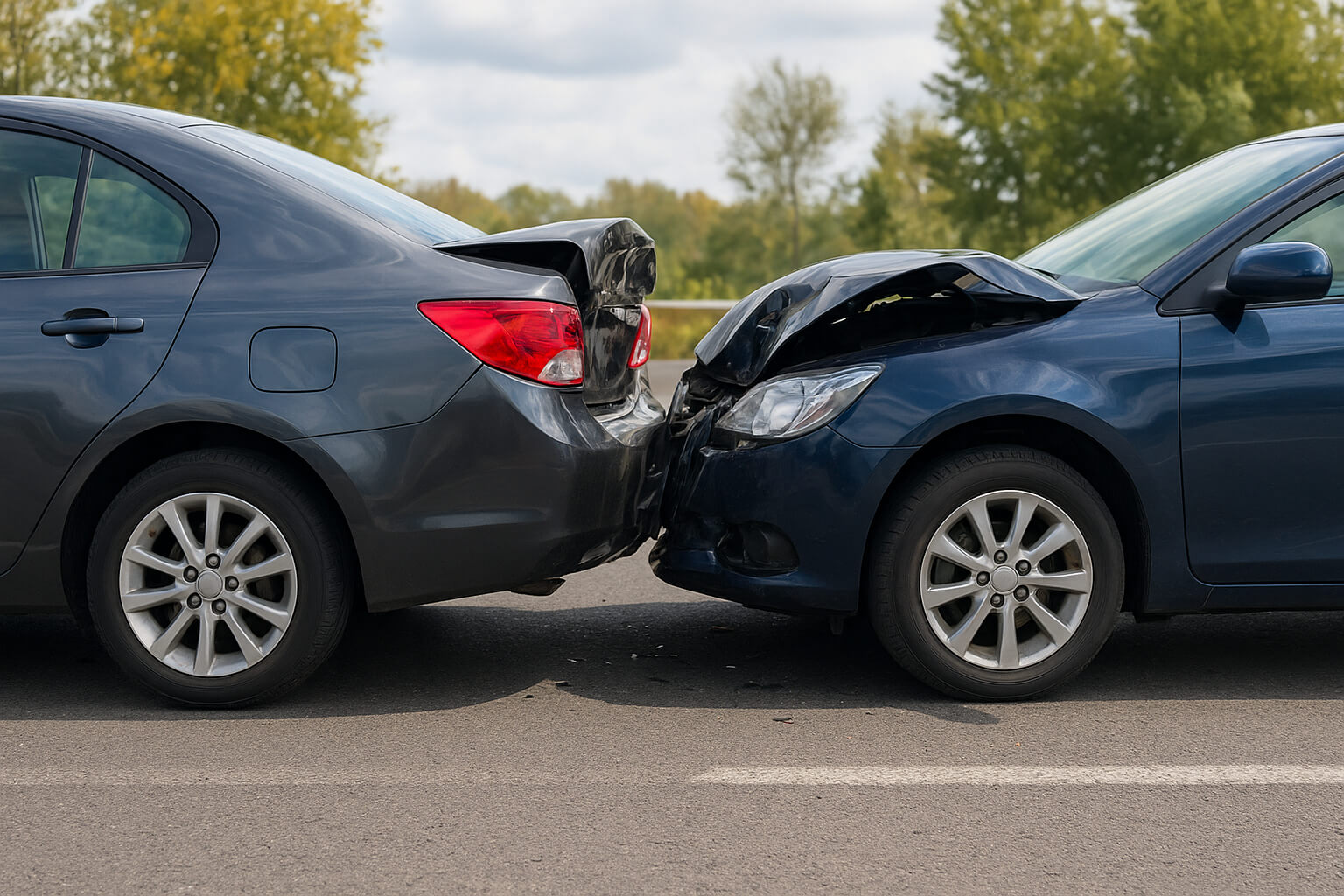
In serious injury cases, strong objective evidence often increases settlement value. When an insurance company knows that speed, braking, and impact force are documented electronically, it reduces their ability to dispute the facts.
EDR data can:
- Strengthen demand packages
- Support expert opinions
- Undermine lowball settlement offers
- Increase credibility at mediation
- Prepare the case for trial
In some cases, it can make the difference between a disputed liability case and a clear-cut one.
Frequently Asked Question
Why is a truck’s black box important after a motor vehicle accident?
The truck’s black box captures driving data like speed limit, braking, and such behavior before a collision occurred, providing key evidence during a thorough investigation to determine fault, driver’s fault, and whether the at fault driver or trucking company breached a legal duty.
How does EDR data affect a personal injury claim or truck accident claim?
In a personal injury claim or truck accident claim, legal technology and driving data support accident reports and police reports, strengthen a personal injury attorney strategy, and help accident victims pursue maximum compensation for accident injuries, spinal cord injuries, traumatic brain injuries, severe burns, head trauma, spinal cord damage, chronic pain, permanent disabilities, medical expenses, medical bills, lost wages, and accident related losses.
Can black box data impact wrongful death claims or settlement negotiations?
Yes, in wrongful death claims or when family members file on behalf of surviving family members, truck accident lawyer teams use driving data, maintenance records, and usage based insurance information to determine fault among multiple parties, support pursuing compensation, seek a fair settlement, or pursue alternative dispute resolution through a law firm and free consultation.
Final Thoughts
Car accident cases are built on evidence. Photos, crash reports, 911 calls, body camera footage, traffic camera recordings, and surveillance video all matter. But EDR data — your vehicle’s black box — can be one of the most powerful pieces of evidence available.
If you are involved in a serious car accident in Florida, it is important to hire an attorney who understands how to preserve and analyze all available evidence, including EDR data. Failing to gather this information early can limit your ability to fully prove your case.
If you have been injured in a Florida car accident and want to make sure all critical evidence is preserved, including your vehicle’s black box data, you can call or text 954-246-3999 or visit www.cohenlawflorida.com. If your case is outside of Florida, we can connect you with an attorney in your area.
In serious crashes, the truth is often stored in the data. The key is making sure it is found and used properly.