

 View All
The Truth About “Full Coverage” Auto Insurance in Florida


There is a very common misconception about auto insurance here in Florida. When we ask people what kind of coverage they carry, the answer is almost always the same: “I have full coverage.” Many people believe that having full coverage means their car insurance will protect them in any situation.
The problem is that “full coverage” does not actually mean what most people think it means. In fact, in Florida, it often means far less than drivers realize. Many drivers only carry the bare minimum car insurance required by law, which often leaves significant gaps in protection.
Understanding what your policy really covers can make the difference between being protected after a crash and being left financially exposed.
Florida Does Not Require Injury Coverage
Florida is unique when it comes to auto insurance laws. The minimum required insurance in Florida consists of two types: Personal Injury Protection (PIP) and Property Damage Liability (PDL). It is the only state in the country that does not require drivers to carry bodily injury liability coverage.
The only insurance Florida requires you to carry—the two types of coverage mandated by Florida law—is:
- $10,000 in Personal Injury Protection (PIP)
- $10,000 in Property Damage Liability (PDL)
That is it.
Florida’s legal minimum insurance requirements include only PIP and PDL, and this minimum required coverage often falls short in the event of a serious accident.
There is no legal requirement that a driver carry bodily injury coverage to pay for someone else’s injuries if they cause a crash. That surprises most people.
When someone says they have “full coverage,” they often mean they have collision and comprehensive coverage for their own vehicle. But that does not necessarily mean they have coverage to pay for injuries they cause to someone else.
What PIP Actually Covers?

Florida is a no-fault state. That means after a crash, you first turn to your own PIP coverage for medical treatment, regardless of who caused the accident.
PIP provides:
- Pays for 80% of medical expenses and 60% of lost wages, up to a $10,000 limit, regardless of fault
- Benefits paid through your own insurance company
To receive pip benefits, medical treatment must begin within 14 days of the accident, or benefits may be denied.
However, PIP does not provide unlimited protection. It is capped at $10,000 for medical expenses and lost wages, and in many cases, the available amount may be less depending on how the injury is classified.
Medical treatment after a crash can easily exceed $10,000. Emergency room visits, diagnostic imaging, follow-up appointments, physical therapy, and specialist care add up quickly.
Once PIP is exhausted, you are left looking for other sources of coverage.
The Real Risk: Drivers Without Bodily Injury Coverage

Here is where the misconception becomes dangerous.
If you are hit by someone who has only the minimum required coverage, there may be no bodily injury coverage available to compensate you for your pain, suffering, or medical bills beyond PIP.
That means:
- Their insurance may pay to repair your car.
- Your PIP may pay the first portion of your medical bills.
- But there may be no coverage to pay for your remaining injuries.
This situation is far more common than people realize. Many Florida drivers carry only the minimum required coverage.
If you suffer serious injuries in a crash caused by someone without bodily injury coverage, you may be left with limited options unless you planned ahead.
Why “Full Coverage” Is a Misnomer?
When people say they have full coverage, they often assume it means they are fully protected. In reality, “full coverage” typically refers to:
- Collision coverage for your vehicle
- Comprehensive coverage for non-collision damage
- The state minimum required PIP and property damage
That does not necessarily include bodily injury liability coverage or uninsured motorist coverage. In other words, you may have full coverage for your car, but not full coverage for your body.
That distinction matters.
What You Should Add to Your Policy?

To protect yourself properly in Florida, there are two critical types of coverage you should strongly consider adding.
1. Bodily Injury Liability Coverage
Bodily injury liability coverage, often referred to as “bi coverage,” protects you if you cause a crash and someone else is injured. It pays for the other person’s injuries up to the limits of your policy. Bodily Injury Liability (BI) coverage also protects your assets if you cause a crash and another person files a lawsuit.
Even though Florida does not require it, carrying bodily injury coverage is essential. Without it, you could be personally responsible if you cause serious injuries in an accident.
If someone sues you and you do not have bodily injury coverage, your personal assets could be exposed.
2. Uninsured / Underinsured Motorist Coverage
Uninsured motorist (UM) coverage may be even more important.
It’s important to note that Uninsured/Underinsured Motorist (UIM) coverage is not included in standard full coverage auto insurance policies in Florida—you must add it separately. UIM coverage protects you if you are involved in an auto accident caused by a driver with insufficient or no insurance, and it can help cover medical bills, lost wages, and other damages resulting from such accidents.
UM coverage protects you if you are injured by:
- A driver with no bodily injury coverage
- A driver with insufficient bodily injury coverage
- A hit-and-run driver
Given how many drivers in Florida carry only minimum coverage, uninsured motorist protection is one of the most important safeguards you can have. UM coverage steps in and pays for your injuries when the at-fault driver’s insurance does not. Without it, you may be left relying solely on PIP and health insurance.
Why This Matters After a Serious Crash?
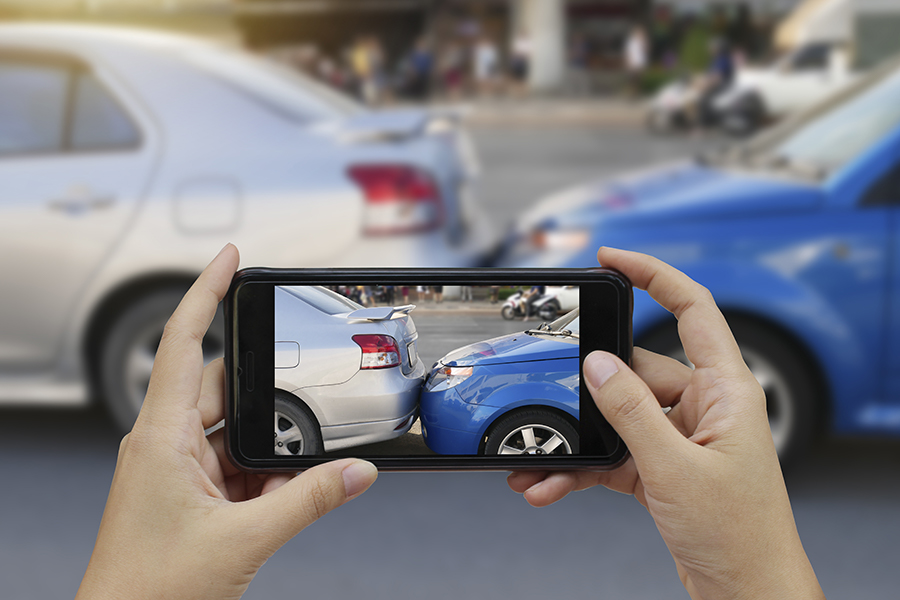
We regularly see cases where someone is seriously injured, only to discover that the at-fault driver has no bodily injury coverage. Many drivers do not realize the limitations of their ‘full coverage’ until they need to file a claim after an accident. At that point, options become limited.
If you do not have uninsured motorist coverage, recovering full compensation becomes much more difficult. Lawsuits against individuals without insurance often result in judgments that are difficult to collect. A lack of adequate coverage can impact not only your medical bills, but also lost earnings from missed work, your quality of life—including the loss of enjoyment of life—and the well-being of your family members, especially if they are injured as passengers, pedestrians, or cyclists in a serious crash.
Insurance planning before a crash is far more effective than trying to solve the problem afterward.
Reviewing Your Policy Before Renewal
Most people renew their auto insurance policy without carefully reviewing the declaration page. They assume their coverage is sufficient because they selected “full coverage” years ago.
When your renewal period approaches, take a few minutes to review:
- Whether you carry bodily injury liability coverage
- The limits of that coverage
- Whether you carry uninsured motorist coverage
- The limits of your UM coverage
When reviewing your policy, it’s important to understand what factors actually affect the cost to insure your vehicle. Contrary to popular belief, insurance companies do not factor the color of a car into insurance rates. The average annual premium for full coverage in Florida is around $3,950, compared to $1,308 for minimum coverage.
Increasing your coverage limits is often more affordable than people expect. A small increase in your monthly premium can provide substantial protection in the event of a serious accident.
Frequently Asked Question
Does full auto coverage pay for every car accident in Florida?
Full auto coverage typically includes property damage liability coverage and personal injury protection coverage, but coverage pays only up to policy limits and may not cover all damages exceed amounts after a car accident.
What does property damage coverage actually protect?
Property damage coverage helps pay for damage to the other person’s car or else’s property if you are at fault, while personal injury protection coverage and medical payment coverage address injuries regardless of negligence.
Should you consider additional coverages beyond basic limits?
Because individual needs vary and damages exceed minimum limits, insurers often recommend increasing property damage liability coverage or adding additional coverages, and a free consultation can help review options with the other party and other driver situations in mind.
The Bottom Line
“Full coverage” in Florida does not necessarily mean you are fully protected.
Florida only requires:
- $10,000 in PIP
- $10,000 in property damage
That does not include bodily injury liability coverage. It does not include uninsured motorist coverage. And it does not guarantee that your injuries will be covered if someone else causes a crash.
To protect yourself, consider adding:
- Bodily injury liability coverage
- Uninsured / underinsured motorist coverage
Understanding your policy before you need it is one of the smartest decisions you can make.
If you have questions about your auto insurance coverage or are unsure what your policy includes, feel free to give us a call. We are happy to walk you through your declaration page at no charge and help you understand whether you are truly protected on Florida roads.