

 View All
If a Child Falls Off Playground Equipment at Daycare and Breaks a Bone, Is There a Case?

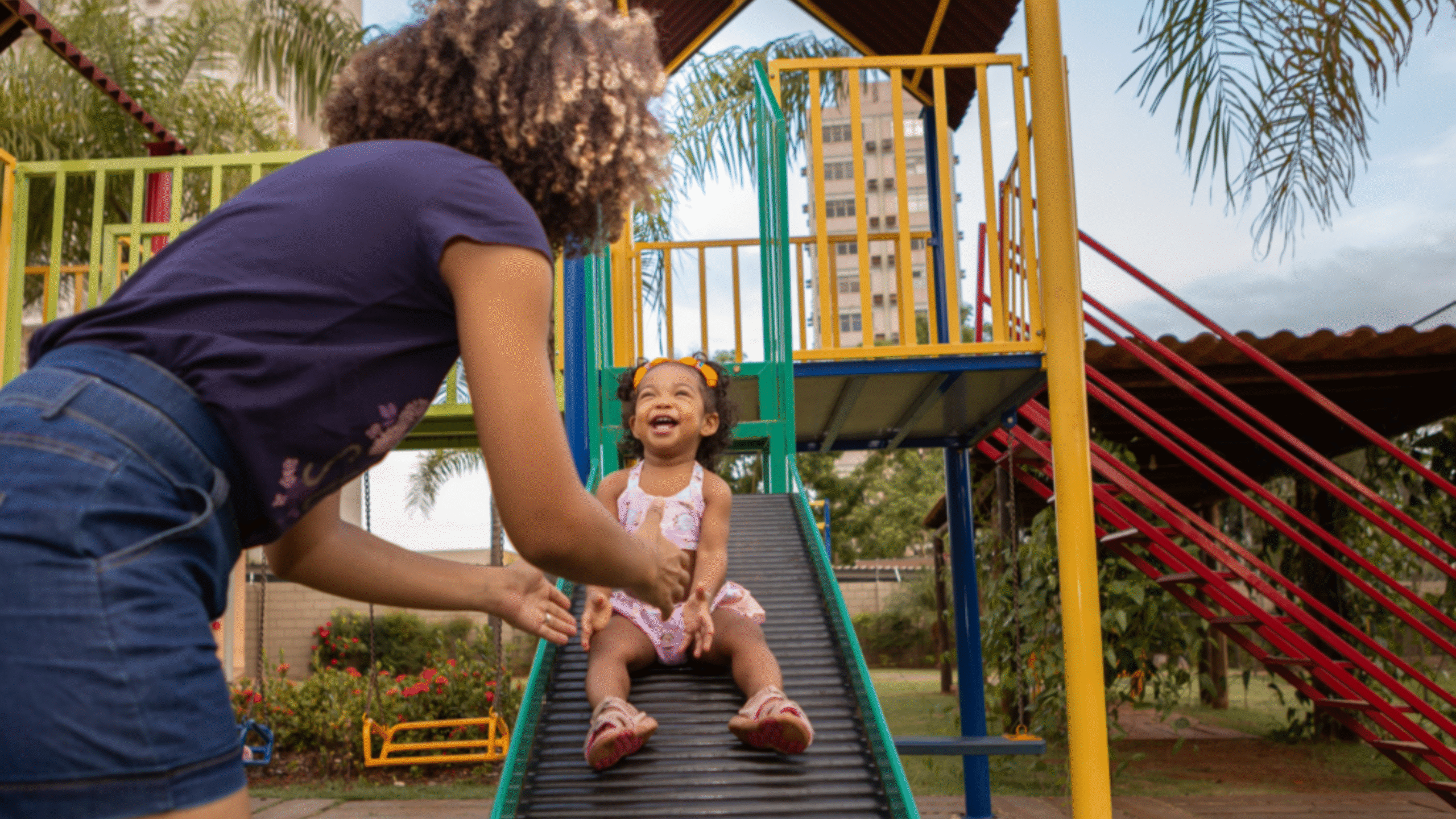
A young child climbs onto playground equipment at daycare, falls, and breaks his leg. For any parent, that phone call is alarming. Broken bones are among the most common daycare injuries, often resulting from falls from playground equipment such as monkey bars, slides, or climbing structures.
After the initial shock, the question quickly becomes whether the daycare is legally responsible. Understanding the nature of the child’s injury is crucial for assessing legal options.
The answer, as it often is in injury cases, depends on how the fall happened and whether it was preventable.
Not every playground fall results in a lawsuit. However, some falls are caused by inadequate supervision, and that distinction is what determines whether there may be a daycare negligence claim in Florida.
Compensation for injuries may include medical expenses, pain and suffering, and future care needs.
Not Every Playground Injury Creates Liability

Children climb, run, and test limits. Playgrounds are designed for movement, and even in properly supervised environments, minor falls can occur.
Daycares are not required to guarantee that no child will ever get hurt. They are required to exercise reasonable care.
If a child was:
- Using age-appropriate equipment
- Following normal playground rules
- Being actively supervised
- And the fall occurred despite proper oversight
Whether a legal case exists often depends on how and where the injury happened, as these details are crucial in determining liability.
There may not be a viable legal case.
For example, if a child properly goes down a slide and simply loses balance while teachers are nearby and attentive, that may fall within normal childhood play rather than negligence.
To pursue a legal claim based on negligence, you generally need to establish that the daycare failed to provide reasonable care.
When Lack of Supervision Changes Everything

The analysis shifts when supervision becomes the issue.
Many serious daycare injury cases are not about the fact that a child fell. They are about why the child was able to engage in unsafe behavior without intervention.
If a child was climbing on equipment that was too tall for their age group, standing on top of structures not meant to be stood on, or accessing restricted areas without a teacher stepping in, that may indicate inadequate supervision. Injuries resulting from negligent supervision may give rise to a legal claim.
Outdoor playtime is one of the highest-risk periods of the daycare day. Children move quickly and make impulsive decisions. That is exactly when staff must be most attentive.
Even a short lapse in attention can lead to a preventable injury. If you suspect negligent supervision played a role in your child’s injury, it is important to preserve evidence, such as photos, witness statements, or incident reports. A valid case for negligence requires proving a breach of duty of care by the daycare through inadequate supervision or faulty equipment.
Florida Daycare Supervision Requirements
Florida daycare facilities are required to comply with state regulations regarding supervision and staffing ratios. Younger children require closer monitoring and lower staff-to-child ratios.
However, simply meeting the required ratio does not automatically mean supervision was adequate.
Proper supervision includes:
- Maintaining clear lines of sight
- Positioning staff around playground structures
- Actively scanning for unsafe behavior
- Intervening before risky conduct escalates
A teacher who is distracted, engaged in unrelated activity, or not actively monitoring the children may not be meeting that duty.
Questions That Determine Whether There Is a Case
When evaluating whether a broken leg from a playground fall may lead to a claim against a daycare in Florida, several key questions matter:
- Was the equipment appropriate for the child’s age?
- Were staff members actively supervising at the time?
- Were required staff-to-child ratios maintained?
- Had the child been engaging in unsafe behavior before the fall?
- Did the daycare have notice of similar prior incidents?
The answers to these questions have important legal implications, as they help determine whether negligence occurred and whether victims may pursue compensation from the responsible parties.
The central issue is whether the injury was reasonably preventable with proper supervision. Identifying liable parties and responsible parties, such as the daycare facility, staff members, or third-party contractors, is crucial for pursuing a claim.
Children will climb. That is expected. But if staff fail to enforce safety rules or ignore obvious risks, the situation may cross the line into negligence.
To establish daycare liability for a child’s broken bone, four elements must be proven: duty of care, breach of duty, causation, and damages.
Common Playground Injuries in Daycare Settings
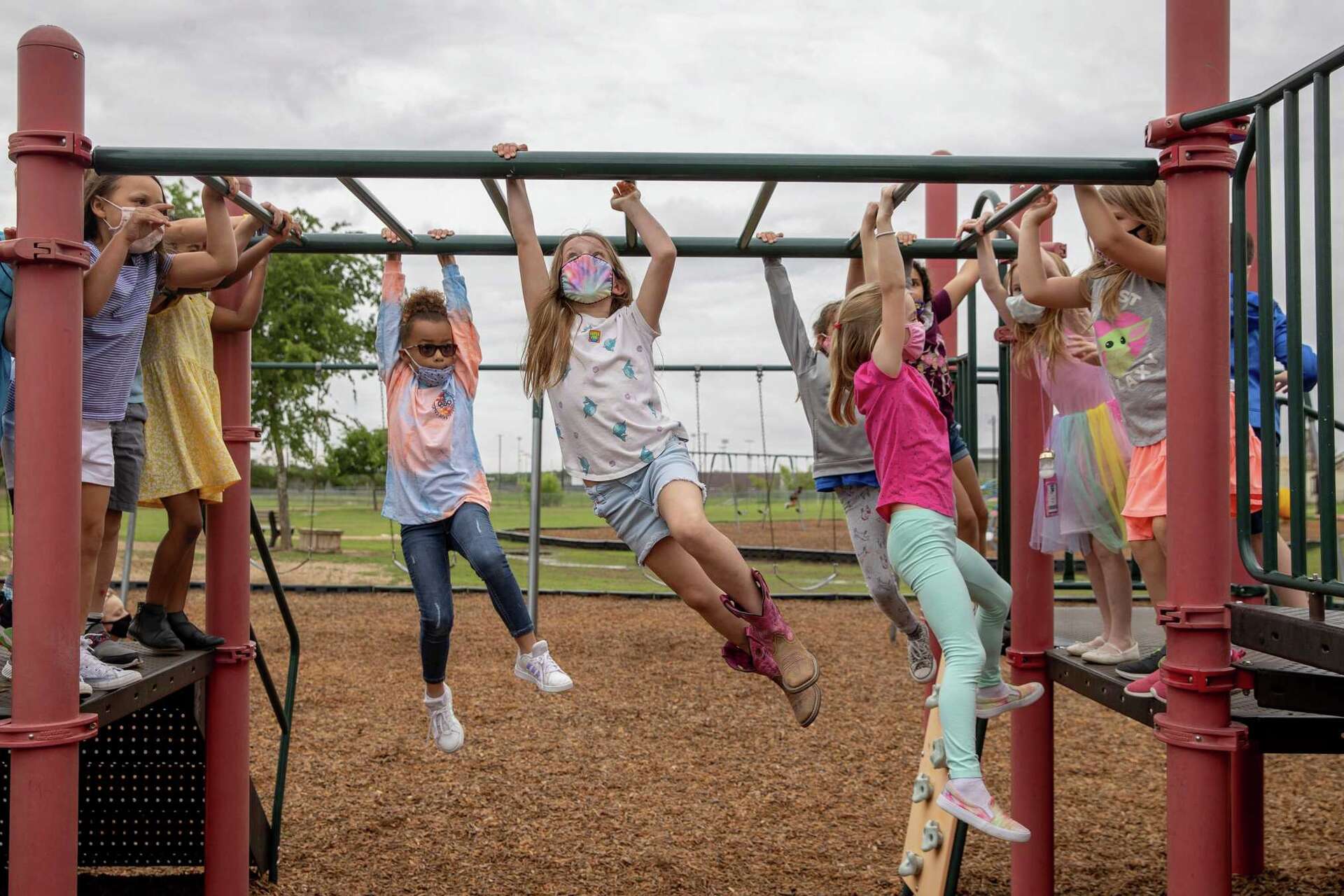
Falls from playground equipment can result in serious injuries, including:
- Broken legs
- Fractured arms or wrists
- Concussions
- Dental injuries
- Facial fractures
A broken leg can require casting, follow-up appointments, possible physical therapy, and time away from school or daycare. For families, it is not a minor inconvenience — it is a significant disruption.
When injuries are serious, the supervision surrounding the incident deserves careful examination.
What Parents Should Do After a Playground Injury
If your child comes home with an injury from daycare, especially a serious injury like a fracture, it is important to take specific steps.
First, seek immediate medical attention and follow all medical advice. Get medical care for your child immediately after an injury, even if it seems minor, as some injuries may not be obvious right away.
Second, request a detailed written incident report. Ask who was supervising, where the fall occurred, and how it happened. Notify the daycare or property owner about the incident as soon as possible.
Third, ask whether there is surveillance footage and request that it be preserved. Preserve evidence related to the injury, including the toy or equipment involved, packaging, receipts, and instructions if available.
Finally, document everything. Take photographs and notes of the injury, the product or equipment, and the surrounding environment. Keep copies of medical records and communications with the daycare. Document everything you learn about your child’s injury, including what happened, who was present, and how staff responded.
Details matter. In many cases, the initial explanation given to parents does not tell the full story. Contact a child injury attorney to help identify responsible parties and preserve critical evidence.
Frequently Asked Question
Is there a case if a child is injured after falling from playground equipment?
If injury occurred because of unsafe playground equipment, unsafe equipment, broken equipment, or defective equipment, and a child suffers severe injuries such as head injuries, internal injuries, or traumatic brain injuries, daycare centers or a daycare provider may have legal responsibility under premises liability in childcare settings.
What should many parents do after the accident?
If an injured child needs medical care immediately, seek medical attention to protect child’s health, document medical bills, child’s pain, and resulting injuries, and consider a personal injury claim with legal guidance and a free consultation.
Who can be held liable in childcare injury cases?
In childcare injury cases, daycare centers, private schools, a school district, or manufacturers involved in the manufacturing process of defective toys, unsafe toys, or manufacturing defects may be held liable if safety violations or failure to meet a legal duty caused injuries caused to other children, allowing families to seek compensation and pursue maximum compensation.
The Difference Between “Kids Being Kids” and Negligence
Daycares often describe injuries as “kids being kids.” Sometimes that is true. Children are active and energetic.
But there is a meaningful difference between:
- A child slipping while properly supervised, and
- A child engaging in clearly unsafe behavior while staff are distracted
The focus is not whether children were playing. The focus is whether the daycare met its duty to properly supervise and protect them.
If your child has been injured at a daycare anywhere in Florida and you have questions about whether lack of supervision played a role, you can call or text 954-246-3999 or visit www.cohenlawflorida.com. If your case is outside of Florida, we can connect you with an attorney in your area.
Every case is different. But proper supervision during playground activity is not optional. It is a fundamental responsibility of every daycare facility operating in Florida.